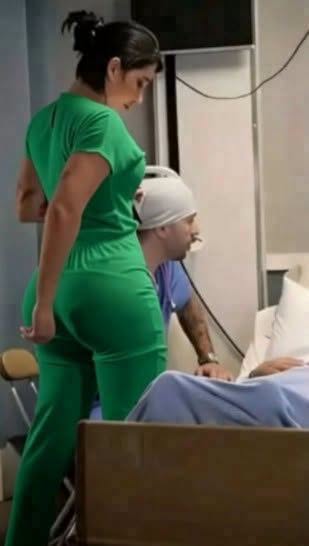
As the video continued to circulate, it was later clarified that the content was not an actual emergency situation. Instead, it was part of a scripted and professionally produced advertisement designed for promotional purposes. The individuals in the video were actors, and the hospital environment was created as a set to support the narrative.
The production used realistic visuals and emotional storytelling, which contributed to the confusion among viewers. This approach is increasingly common in digital advertising, where creators aim to capture attention quickly on fast-moving social media platforms.
The situation has also sparked broader discussion about how easily fictional or promotional content can be mistaken for real-life events when presented in a realistic format. Some viewers appreciated the creativity of the production, while others raised concerns about transparency and clarity in advertising.
Healthcare professionals and commentators have noted that while dramatic portrayals can be engaging, real medical environments involve highly trained teams and strict procedures that differ from staged or scripted content.
This case highlights the importance of verifying online content before sharing it, especially when it appears emotionally intense or urgent. Checking sources and context can help reduce confusion and prevent misinformation from spreading.
As digital media continues to evolve, the line between storytelling and reality can sometimes feel blurred. This viral video serves as a reminder to approach highly polished or dramatic clips with a critical eye and to consider their original source and intent.