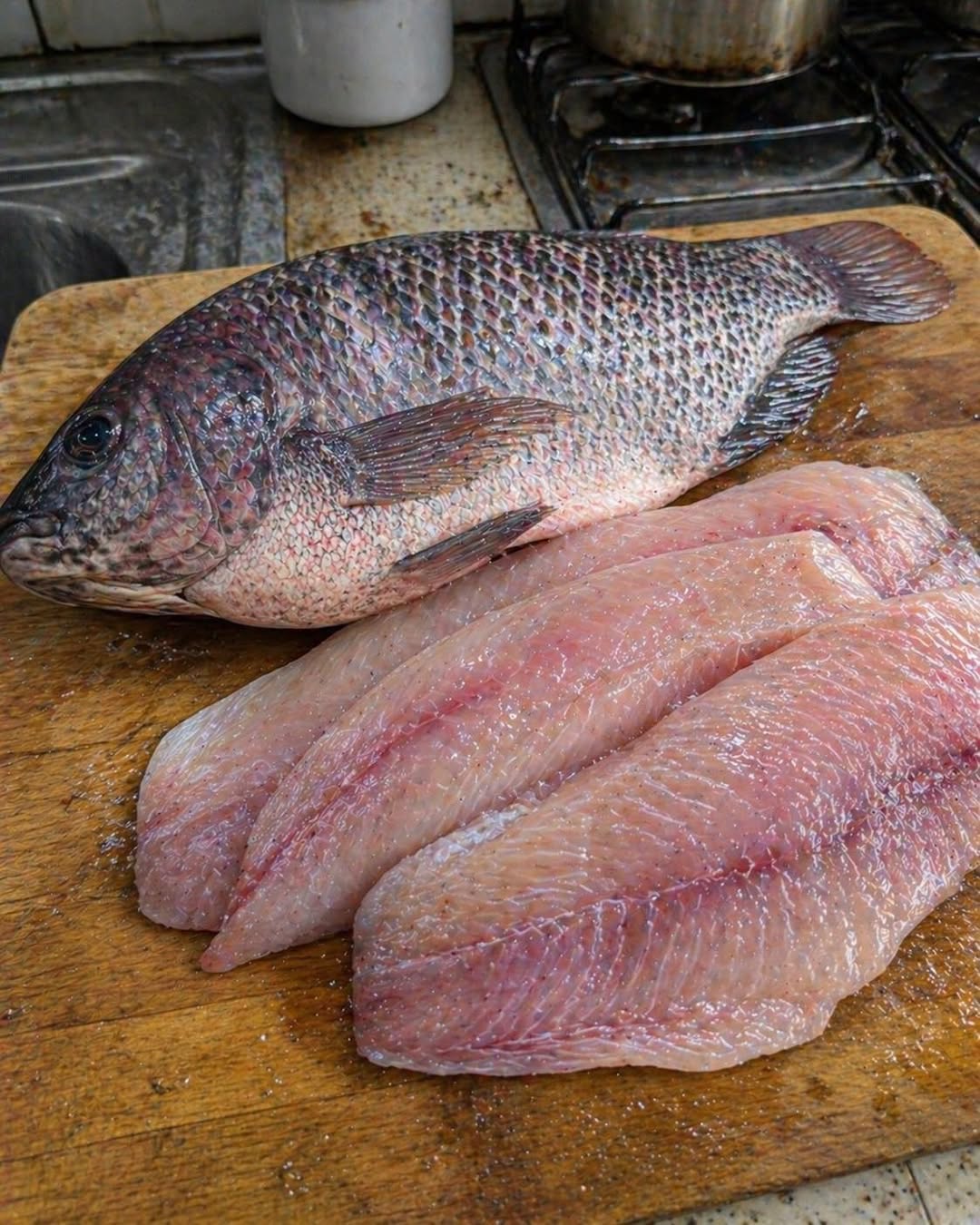
The larger concern often involves how the fish was raised.
Most tilapia sold today comes from aquaculture rather than the wild. Farming standards can vary widely between producers and countries. Well-managed farms may use clean water, appropriate feed, careful disease control, and responsible environmental practices. Poorly managed operations may struggle with overcrowding, water quality, waste, or unnecessary medication use.
That is why the label can matter almost as much as the fish itself.
When shopping, look for clear country-of-origin information and recognized seafood certifications. Buying from trusted retailers can also make it easier to learn how the fish was sourced. If the packaging provides very little information, choosing another brand or type of seafood may offer greater peace of mind.
Preparation matters too. Baked, grilled, steamed, or air-fried tilapia can fit comfortably into a balanced meal. Deep-frying it, covering it in heavy sauces, or pairing it with highly processed side dishes can quickly change its nutritional value.
Tilapia is neither a miracle food nor something that most people need to fear. Its value depends on quality, sourcing, cooking method, and the rest of your diet. Enjoying it occasionally alongside omega-3-rich fish, vegetables, whole grains, and other protein sources is a sensible approach.
The most useful question is not simply, “Is tilapia healthy?” It is, “Where did it come from, how was it prepared, and what else am I eating with it?”