Prime Minister Keir Starmer reiterated the UK’s longstanding pride in its armed forces, emphasizing that while political perspectives may differ, respect for military service and alliance partnerships remains essential. His remarks reflected a broader diplomatic stance, focusing on unity and continuity in international relations despite moments of disagreement.
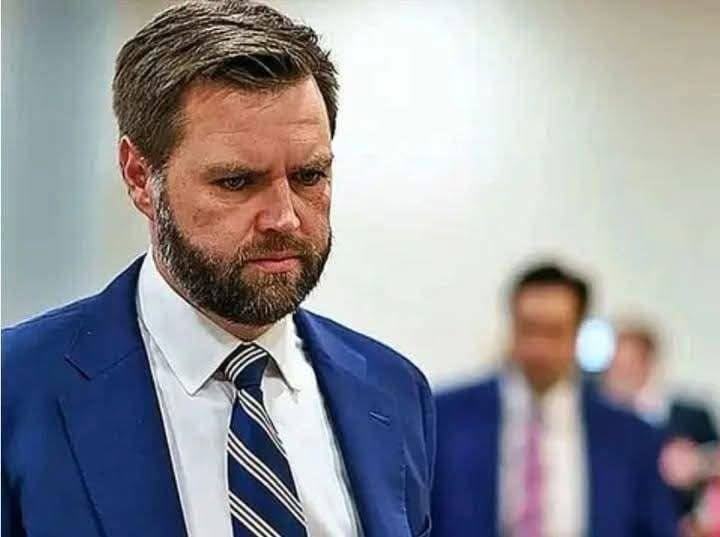
In response to the growing criticism, Vice President Vance later sought to clarify his position. He stated that his comments were not intended to target the United Kingdom or France specifically, but were instead directed at countries without recent battlefield involvement. The clarification aimed to reduce tensions and reframe the intent behind the original statement.
However, despite the explanation, the discussion has not fully subsided. Instead, it has broadened into a wider conversation about how global leaders communicate about military alliances and shared sacrifice. Many observers note that in an interconnected defense landscape, language carries significant weight, especially when addressing nations with deep historical ties and joint operational histories.
The situation has highlighted how quickly diplomatic remarks can evolve into larger debates about respect, memory, and international partnership. It also underscores the sensitivity required when discussing military contributions that involve loss, service, and long-term cooperation.
As discussions continue, the focus now shifts toward maintaining strong transatlantic relations while ensuring that the language used in political discourse reflects the depth of shared history between allies.
If you’re following this story, share your thoughts below—how important do you think diplomatic language is when discussing military alliances and shared sacrifice?