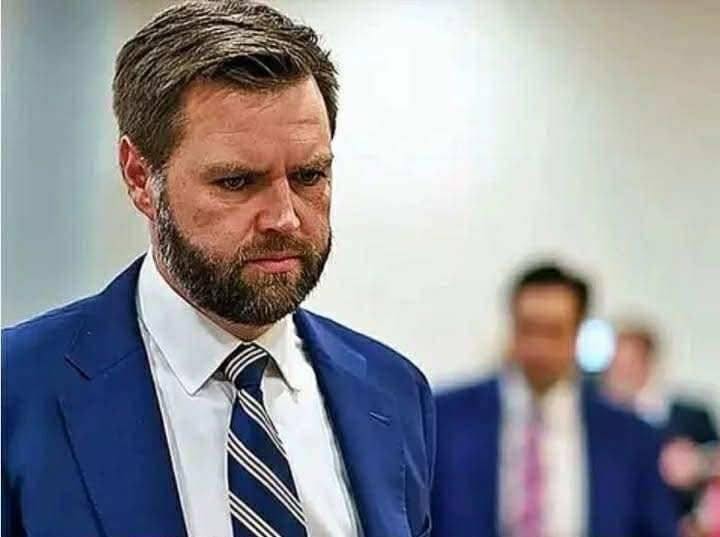
The reaction in Britain went far beyond routine political disagreement. It struck a deeper nerve—one tied not to diplomacy alone, but to memory, loss, and the lingering weight of wars that shaped a generation. For many families of fallen soldiers, the remarks attributed to Vance were heard not as abstract commentary, but as a dismissal of sacrifice earned in places like Basra and Helmand.
Across the country, veterans responded with visible anger and disappointment. Figures such as Johnny Mercer and Andy McNab, both closely connected to military service and its aftermath, spoke with a tone that felt less like public debate and more like personal defense. For them, the issue was not political positioning, but respect for those who never returned home.
Former senior military leaders, including Lord West and General Sir Patrick Sanders, also entered the conversation, emphasizing a shared history of cooperation between British and American forces. Their message was consistent: whatever differences exist in policy or rhetoric, the reality of joint service in conflict zones has long been built on mutual reliance and sacrifice.
In Parliament, members from across party lines echoed similar concerns. Prime Minister Keir Starmer and other MPs framed the situation not as an opportunity for political advantage, but as a matter of national dignity and remembrance. The underlying sentiment was clear—language directed at allies carries consequences that extend beyond immediate headlines.
Keep reading…