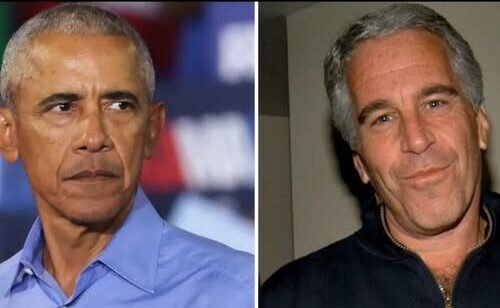
These documents are part of a massive trove—tens of thousands of pages—that challenge the narrative of Epstein as universally ostracized. While some doors closed, many remained open. Lawyers, academics, politicians, and celebrities continued to engage with him. Money, influence, and status often outweighed stigma.
The emails also add context to long-standing statements by Bill Clinton, who has maintained he had no knowledge of Epstein’s crimes. While the documents do not contradict Clinton directly, they illustrate how Epstein’s continued proximity to powerful figures complicates the public narrative.
Epstein claimed to have “cut ties” with certain contacts over the years. Yet the emails show these so-called breaks often reflected wounded pride or strategic repositioning rather than principled rejection. Many relationships endured far longer than publicly reported.
Perhaps most unsettling is how ordinary these emails appear. They are professional, sometimes sharp, often familiar. Epstein appears less like a hidden predator and more like a participant in a world that consistently granted him legitimacy. That normalization—wealth and influence outweighing moral accountability—is at the core of why Epstein could persist.
Ultimately, the correspondence does not change the fact of his crimes—but it sharpens a painful truth: Epstein’s survival in elite circles was enabled by a system that tolerated compromise, silence, and moral flexibility. The damage was done long before the world finally reacted. These emails are a stark reminder of how power protects itself, and how proximity to prestige can dull ethical instincts, even when wrongdoing is widely known.
What do you think these emails reveal about power, privilege, and accountability? Share your thoughts in the comments and join the conversation.