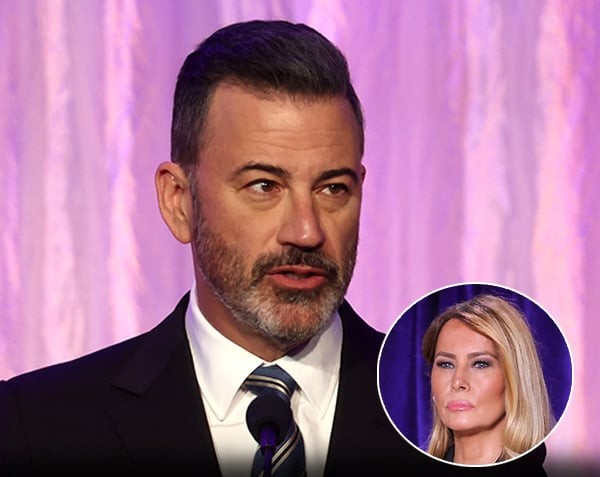
Supporters of former President Trump saw the comment as an example of unfair and hostile treatment from the media and entertainment world. To them, it reinforced a belief that certain public figures are subjected to ridicule that goes beyond acceptable political criticism.
On the other hand, Kimmel’s defenders viewed the backlash as part of a larger struggle over free expression and the role of satire in a democratic society. They argue that comedians have long served as commentators, using humor to challenge authority and provoke thought—even when the jokes are uncomfortable.
This incident highlights a broader cultural reality: the line between comedy, commentary, and controversy has become increasingly difficult to define. In today’s media landscape, every joke can be instantly amplified, dissected, and debated across platforms. What one person sees as satire, another may interpret as deeply offensive.
For audiences, that creates a complicated space. Humor remains an important tool for reflection and critique, but context matters more than ever. The challenge lies in balancing freedom of expression with sensitivity to the real-world tensions that shape public perception.
Ultimately, this debate is about more than one late-night joke. It reflects the larger questions facing modern society: How do we preserve open dialogue while fostering respect? Where should the line be drawn between sharp satire and harmful rhetoric?
What do you think? Should comedians have broad freedom to challenge public figures, or are there moments when humor should yield to caution? Share your perspective in the comments below.