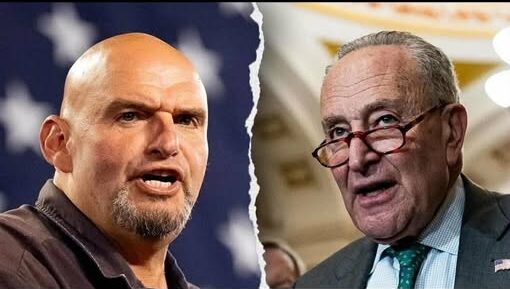
Social media has expanded public oversight of law enforcement, but it has also introduced new risks. Viral content can quickly identify agents, sometimes sparking harassment campaigns. For those in politically sensitive roles, like immigration enforcement, the possibility of becoming a target raises serious concerns among policymakers and security officials.
Fetterman’s comments remind the public that masks can serve a practical safety function, protecting agents while they carry out their duties.
Proposals for Reform
Lawmakers continue to explore ways to increase transparency without endangering personnel. Ideas under discussion include:
- Body cameras to provide a clear record of encounters
- Visible identification markers on uniforms that reveal names or badge numbers without showing faces
- Limits on mask use only in specific situations
Supporters of these measures argue that increased visibility can build trust between federal agencies and communities while ensuring enforcement is fair and consistent.
Balancing Accountability and Risk
Opponents of restricting masks warn that exposing agents could lead to retaliation, particularly in interactions with criminal networks or activist groups. Protecting federal employees and their families remains a central concern, highlighting the complex trade-offs in policy decisions.
Fetterman’s stance reflects his broader immigration approach: advocating for reform and humanitarian considerations while recognizing the operational realities of federal enforcement agencies. His remarks have drawn both support and criticism, demonstrating the delicate balance between security, transparency, and political accountability.
A Symbol of a Larger Debate
The discussion over ICE masks is more than a detail of operational policy—it represents a national conversation about how government power is exercised, monitored, and balanced with personal safety. Technological solutions and thoughtful policy design may provide middle-ground approaches, but lawmakers continue to grapple with competing priorities: civil liberties, public oversight, and protecting those who enforce the law.
What’s Next
As immigration reform and homeland security policies continue to evolve, questions about ICE mask use will remain part of the broader debate. Fetterman’s comments highlight one side of the discussion, emphasizing the need to safeguard federal agents while maintaining public confidence in the fairness and transparency of enforcement actions.
✨ What do you think about requiring ICE agents to remove masks during operations? Share your thoughts in the comments and join the national conversation on safety and transparency!