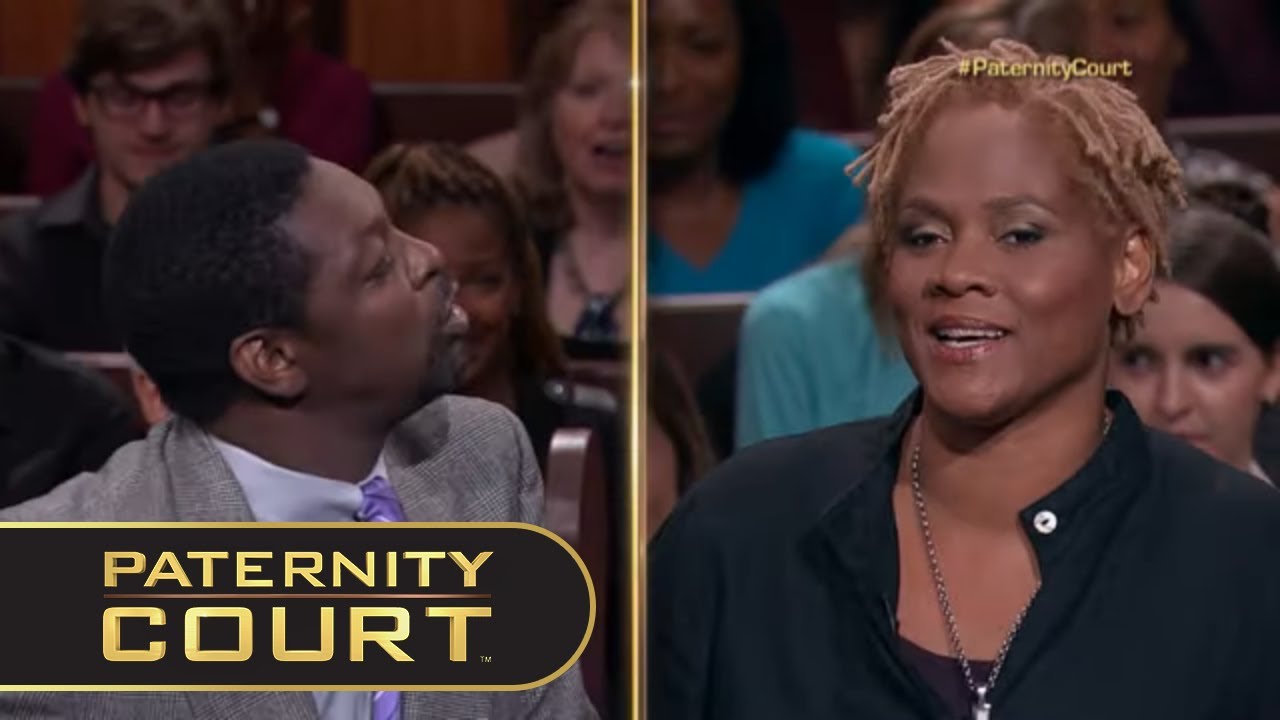
The child’s mother has responded by saying she believed he was the father at the time. While she denies intentionally misleading him, the situation has placed her under scrutiny as the case unfolds. The court must now determine not only the biological facts, but also whether any legal wrongdoing occurred.
Cases like this highlight the complicated nature of child support systems. Designed to protect the well-being of children, these systems can become challenging when paternity is uncertain. Legal experts often stress the importance of early genetic testing to avoid situations like this, where both emotional and financial consequences can grow over time.
As the legal process continues, the man is pushing for reimbursement and greater accountability, while the court weighs the evidence and applicable laws. Regardless of the outcome, the case underscores how critical clarity and honesty are in matters that affect families and long-term responsibilities.
At its core, this situation is about more than money—it’s about truth, fairness, and the lasting impact of uncertainty on everyone involved.
FULL VIDEO:
What do you think—should the law allow repayment in cases like this, or prioritize stability above all? Share your thoughts below and join the conversation.