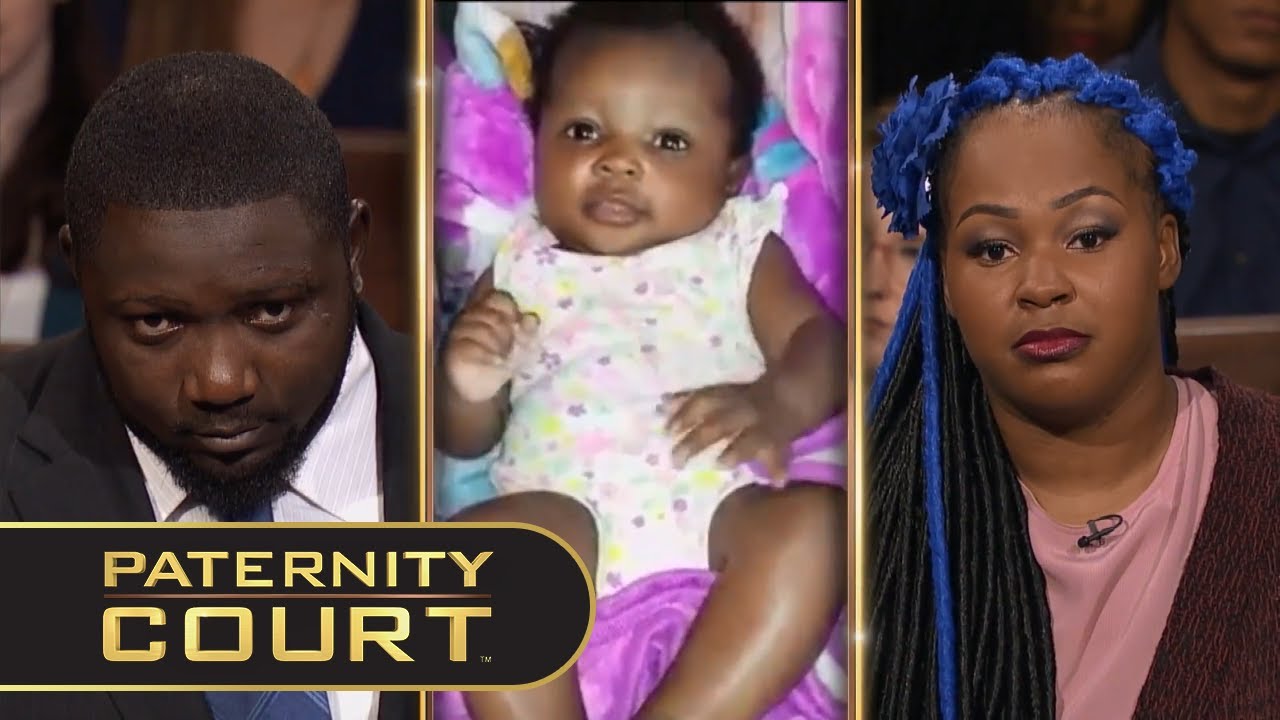
Across the courtroom, the man offered a different perspective. While he acknowledged their past relationship, he claimed it had already been unstable before the pregnancy. He insisted his decision to leave was based on unresolved issues between them—not solely the pregnancy itself.
However, under questioning, it became clear that uncertainty and fear played a role in his actions. He admitted he was not ready for the responsibility of fatherhood at the time and chose distance instead of involvement.
The emotional divide between them was evident.
The woman expressed frustration over his absence, explaining that she had reached out multiple times during her pregnancy, hoping for support or even basic communication. According to her, those attempts were ignored, leaving her to navigate everything alone.
The man, visibly uncomfortable, admitted he struggled to handle the situation. He described feeling overwhelmed and unsure of how to respond, ultimately choosing to step away rather than confront the reality he wasn’t prepared to face.
Presiding over the case, Judge Lauren Lake guided the discussion with both empathy and firmness. She reminded both individuals that the situation extended beyond their personal conflict.
“This is about a child,” she emphasized. “And that child deserves truth, stability, and accountability.”
Her words shifted the tone of the courtroom, bringing focus back to what truly mattered.
As the hearing progressed, both parties agreed on one thing: they needed clarity. The woman sought confirmation for her child’s future, while the man wanted certainty before accepting responsibility.
The tension reached its peak when the DNA results were presented.
In that moment, the courtroom fell silent. Emotions ran high as the truth—long debated and deeply personal—was finally revealed. The outcome brought a mix of relief, shock, and reflection for both sides.
While the test provided answers, it also highlighted the emotional toll of avoidance and uncertainty. The result marked not an end, but a turning point—one where both individuals would need to decide how to move forward with honesty and responsibility.
This case serves as a reminder that while science can confirm paternity, it cannot repair lost time or erase emotional pain. True accountability comes not just from knowing the truth, but from acting on it.
What are your thoughts on situations like this? Do you believe responsibility should begin before confirmation, or only after the truth is proven? Share your perspective in the comments and join the conversation.
FULL VIDEO: