Early Symptoms: Don’t Brush Them Off
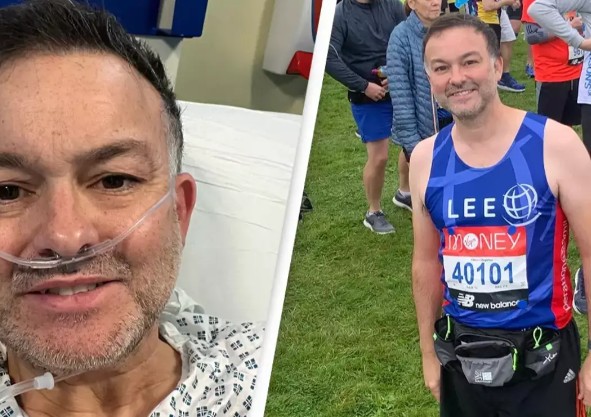
Lee’s journey began months earlier, in January, with a dull ache in his lower abdomen. Initially dismissed as stress, the pain gradually intensified. Even after visiting his GP and being referred to a gastroenterologist, he faced a 21-week wait for further tests. Early blood and urine tests showed nothing abnormal, leaving him without answers.
By September, the pain became unbearable. “It felt like someone was slowly pushing a scaffolding pole right through me,” Lee recalled. A week later, during his son’s football practice, he rushed to Southend University Hospital, where a CT scan revealed the devastating diagnosis: terminal pancreatic cancer.
Raising Awareness: Early Detection Can Save Lives
Lee emphasizes the importance of listening to your body and seeking medical attention for persistent or unusual symptoms.
“I wish I’d paid closer attention and pushed for tests sooner. Early detection can make all the difference,” he said.
With a family history of pancreatic cancer—his grandfather also suffered from the disease—Lee recognizes the genetic risks. He wants his story to motivate others to act quickly, even when symptoms seem minor.
“If you experience persistent pain or unusual signs, don’t brush them off. Get checked. It might save your life.”
Making Every Moment Count
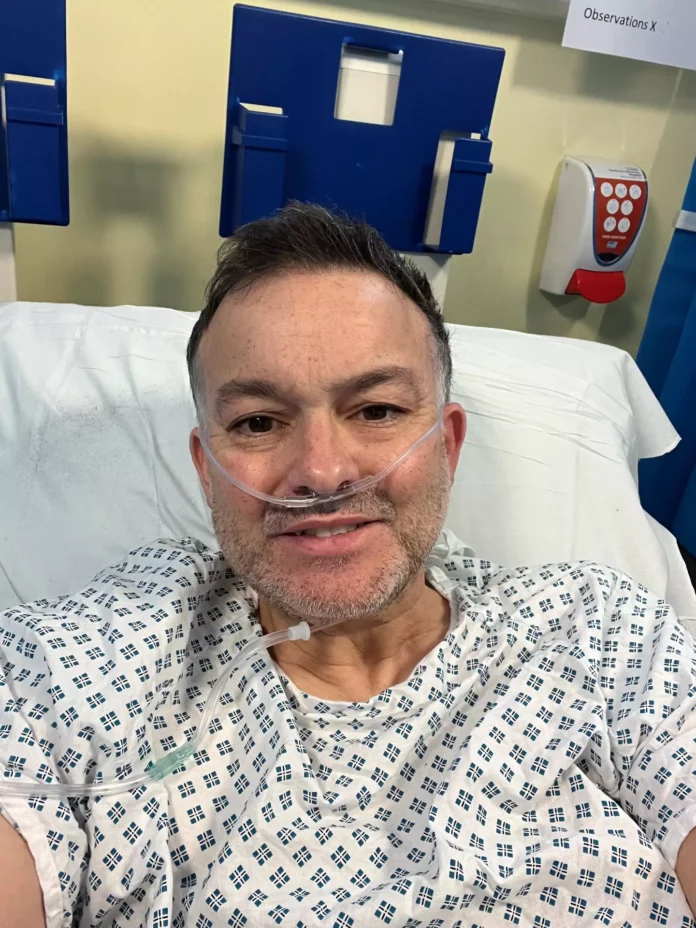
Despite the grim prognosis, Lee remains determined to cherish every moment with his family. He recently surprised his children with a trip to Lapland, creating lasting memories he hopes will stay with them forever.
Lee also advocates for increased research and support for pancreatic cancer, noting that survival rates have barely improved since the 1970s.
“This disease is destroying young families. People need to take notice. Awareness and early detection are key.”
Takeaway
Lee’s courage and message are clear: listen to your body, act on warning signs, and treasure every moment with your loved ones.
Have you ever ignored a small symptom that turned out to be serious? Share your story in the comments and help raise awareness—your experience could save a life.