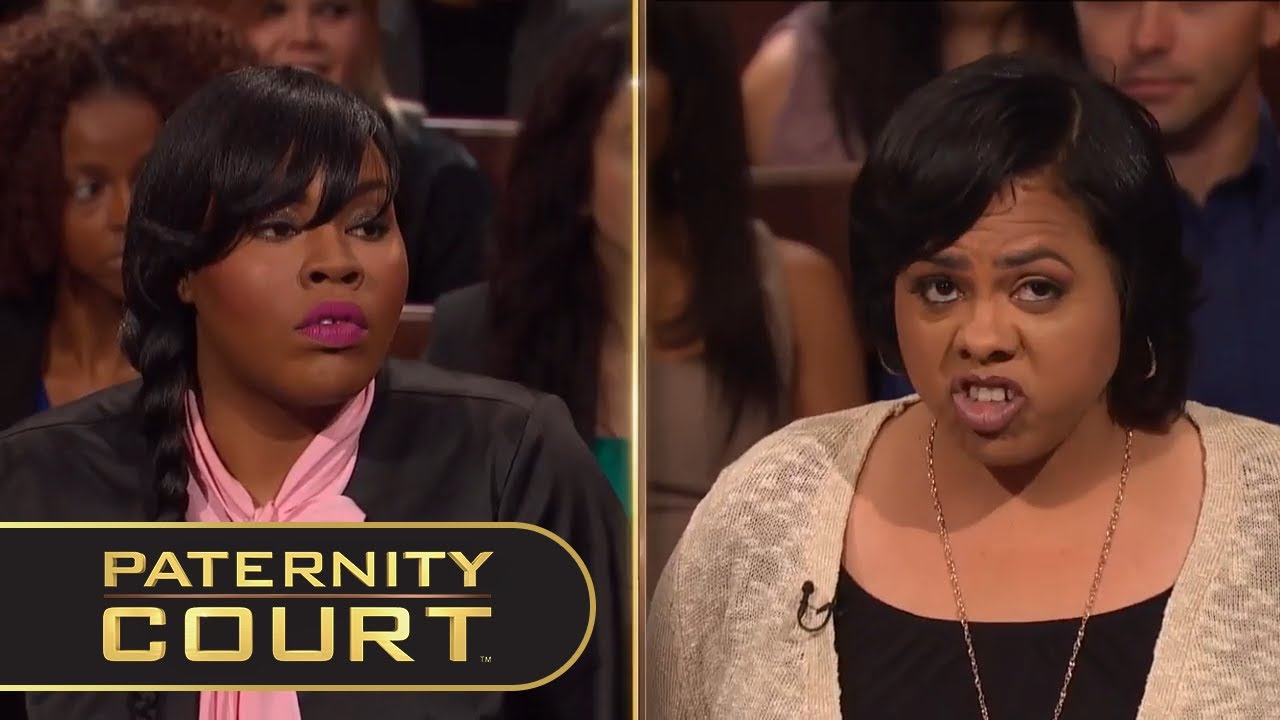
For the child’s mother, the case was about accountability and truth. She firmly believed that the man was the father and pointed to his past actions as evidence of a deeper connection between them. From her point of view, his attempts to distance himself from the situation felt like an effort to avoid responsibility rather than face reality. Her emotional testimony reflected the stress of trying to secure clarity for her child’s future.
On the other side, the man’s wife expressed a different kind of pain—one rooted in betrayal and broken trust. The situation had already strained their marriage, and the ongoing dispute only intensified her concerns. While she sought answers, she also struggled with the possibility that the outcome could permanently alter her family dynamic. Her reaction highlighted the emotional impact such cases can have beyond the individuals directly involved.
As the hearing progressed, the judge emphasized an important distinction: while personal actions can influence perception, they do not determine biological truth. The courtroom was reminded that only scientific evidence could provide a definitive answer regarding paternity. Still, the discussion revealed how personal choices often shape trust, credibility, and the way individuals are viewed in sensitive situations.
Meanwhile, the presence of the child remained a quiet but powerful reminder of what was truly at stake. Unaware of the conflict, the child symbolized the need for clarity, stability, and responsible decision-making from the adults involved. The contrast between innocence and conflict made the case even more impactful.
In the end, the court made it clear that a DNA test would ultimately determine the facts. However, regardless of the result, the situation had already left a lasting impression on everyone involved. Relationships had been tested, trust had been shaken, and the path forward would require careful reflection and maturity.
This case serves as a reminder that decisions made in difficult moments can carry long-term consequences. While legal outcomes can provide answers, rebuilding trust and moving forward is often the greater challenge.
What’s your take on this situation? Share your thoughts below and join the conversation.
FULL VIDEO: