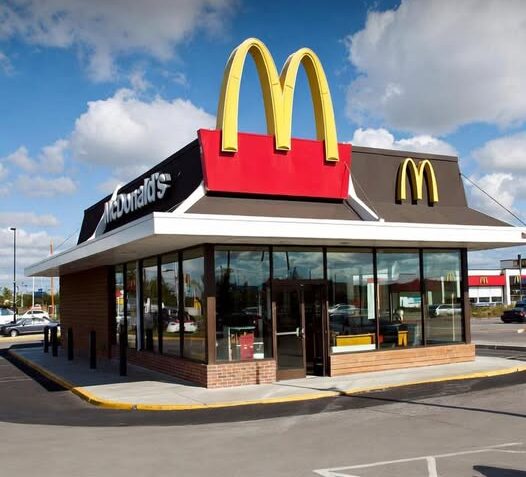
A Design Choice That Changes the Experience
Doors are more than structural elements—they help define how people move between spaces. They signal entry and exit, provide a sense of separation, and help establish when a place is open or closed.
By removing that physical boundary, the experience of entering a location changes noticeably. The transition from outside to inside becomes less defined, creating a continuous flow rather than a clear separation.
This shift has led some observers to view the design as a symbol of increased openness and accessibility, while others see it as a departure from familiar spatial cues that help people feel oriented and secure.
Emphasis on Accessibility and Convenience
One possible explanation for the change is a focus on improving accessibility. A more open entrance reduces physical barriers and can make entry feel more immediate and direct.
In a broader sense, this reflects a growing trend across many industries: reducing friction in everyday experiences. From digital services to physical spaces, there is an increasing emphasis on speed, convenience, and uninterrupted access.
In this context, the design aligns with a model where service is always visible and readily available.
Changing How Spaces Feel
Beyond functionality, design choices like this can influence how people emotionally perceive a space. Traditional entrances with doors often create a sense of transition—signaling arrival, pause, or closure.
Without that boundary, the environment can feel more exposed and continuously active. For some, this may enhance feelings of openness. For others, it may remove a layer of comfort associated with clearly defined entry points.
These differing reactions highlight how even small architectural changes can affect perception in meaningful ways.
Public Interpretation and Discussion
The reaction to these redesigned locations has been mixed. Some see the concept as a modern and efficient approach to service design. Others question whether removing familiar boundaries changes the character of the space in ways that feel unfamiliar.
The discussion reflects a larger theme: how much structure and separation people expect in everyday environments, and how those expectations are shifting over time.
A Reflection of Broader Trends
The idea of continuous access is not unique to fast-food design. It reflects a wider cultural shift toward constant availability in many aspects of daily life.
As services become more streamlined, physical and digital environments are increasingly designed to minimize interruptions. The doorless concept fits within this broader movement toward seamless interaction.
However, it also raises questions about balance—particularly around how much structure is needed to maintain clarity and comfort in shared spaces.
Conclusion
The introduction of doorless entrances at select McDonald’s locations has become more than a design update—it has sparked a wider conversation about access, boundaries, and the evolving nature of public spaces.
While the practical intention may be to enhance convenience and openness, the reaction shows that physical boundaries still play an important role in how people understand and experience their surroundings.
Ultimately, this small architectural change highlights a larger question: in a world that increasingly values constant access, how important are the visible limits that once defined everyday spaces?