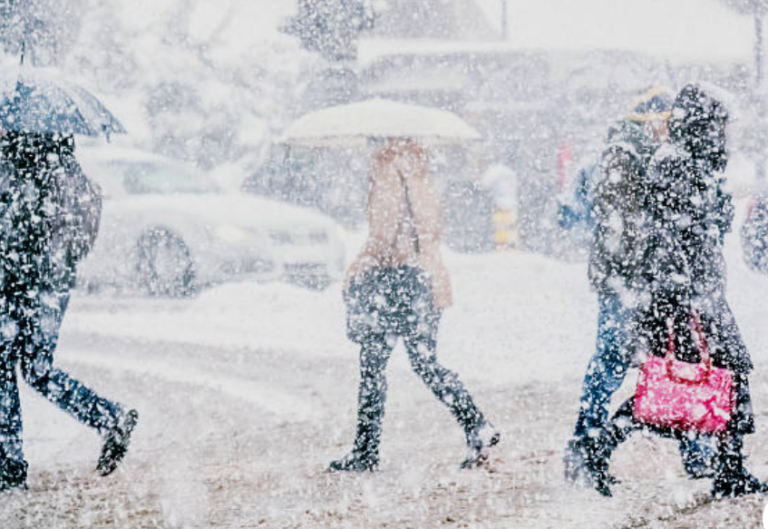
Local agencies are preparing for more than just slick roads. Downed tree branches, sporadic power outages, and delays in essential services are possible. Some schools are considering late starts or temporary shifts to virtual learning to protect students. Airports and public transportation hubs are closely monitoring conditions, ready to adjust schedules if freezing rain slows operations. Emergency services and utility crews are on standby to respond quickly to any urgent calls, and residents are advised to prepare for the worst even if the storm looks minor on the radar.
At home, simple steps can make a big difference. Charge phones, power banks, and backup batteries. Keep flashlights, blankets, and extra warm clothing within reach. Secure outdoor furniture, decorations, and trash bins that could be toppled by wind or ice. People who rely on medical equipment should review contingency plans now, so that an unexpected outage doesn’t turn critical. Even pets should have safe, warm areas to shelter from the cold.
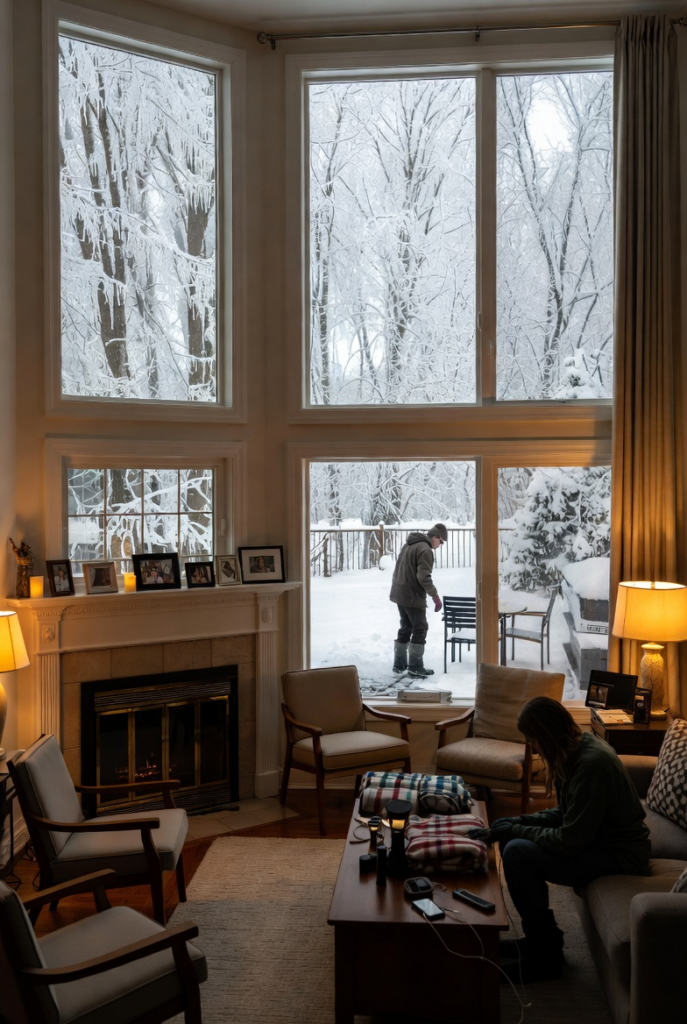
The storm’s impact will likely be most severe during early morning and late-night hours, when temperatures dip and moisture freezes most quickly. Midday sun may reduce some risk, but shaded roads, tree-covered driveways, and parking lots will stay icy longer. Travelers should give themselves extra time, slow down, and assume every surface could be slick. Walking, driving, or cycling with routine caution may not be enough—awareness and patience are essential.
The good news is that warmer temperatures are expected later in the week, which will gradually melt ice and improve conditions. Still, leftover patches of black ice can linger for days in shady or less-traveled spots. Residents are encouraged to continue treating all surfaces with care, keeping a watchful eye on local advisories, and communicating with neighbors about unsafe areas.
Ultimately, this storm is a reminder that preparation pays off. A few proactive measures—whether at home, on the road, or in the office—can mean the difference between a minor inconvenience and a dangerous situation. Take the warnings seriously, plan ahead, and prioritize safety over speed. A little extra care now will help everyone get through this icy stretch without incident.
Have tips or experiences handling slick roads and icy conditions? Share them in the comments below and help your community stay safe!