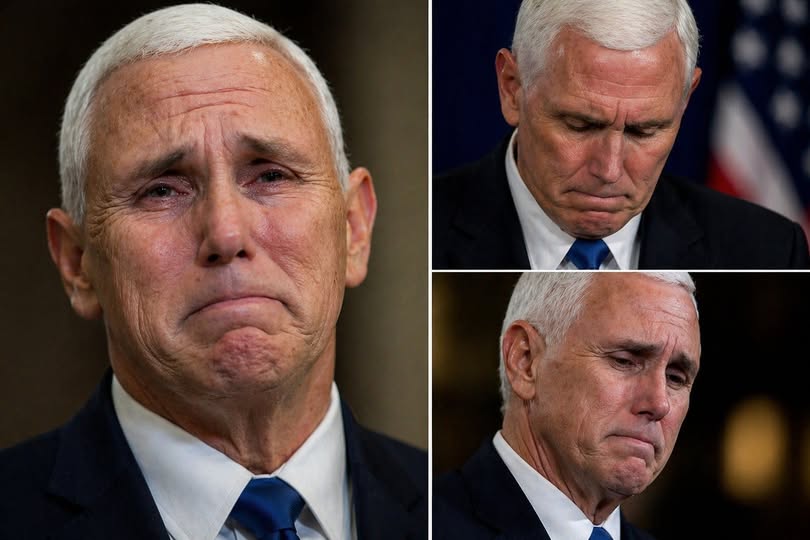
The weight of that realization had not arrived in a single dramatic moment, but in quiet reflection—late nights, empty rooms, and the growing awareness that success, as defined externally, no longer matched what felt meaningful internally.
As he continued, the tone shifted from explanation to reflection. He spoke about the cost of constant division in public life, the emotional fatigue of navigating conflict on a national scale, and the slow erosion of personal identity beneath public expectation. His voice remained steady, but the vulnerability in his words was unmistakable.
Then came the turning point.
He announced that he was stepping away—not in defeat, but in recognition that something essential needed to be reclaimed. Time. Presence. Family. A life no longer measured solely through performance or obligation.
For the first time in years, the language he used was not strategic or political. It was human.
There was a long pause after he finished speaking. No immediate reaction, no rush of questions. Just silence—heavy, reflective, almost uncertain of how to respond.
When he finally stepped back from the podium, the moment felt different from what anyone had expected. There was no dramatic collapse of image, no theatrical ending. Instead, there was a quiet release, as if something tightly held had finally been allowed to loosen.
He walked away at an unhurried pace, not as a figure defined by role or title, but as someone stepping into a life no longer dictated by constant visibility.
And in that quiet departure, what remained wasn’t just the end of a public chapter—it was the beginning of something more private, more uncertain, and more real.
Final thoughts
Moments like this remind us that even the most composed lives carry unseen weight. At some point, everyone reaches a moment where they must decide between expectation and self-preservation.
What would you choose—continuing a life built on responsibility, or stepping back to rediscover your own peace? Share your thoughts below and join the conversation.