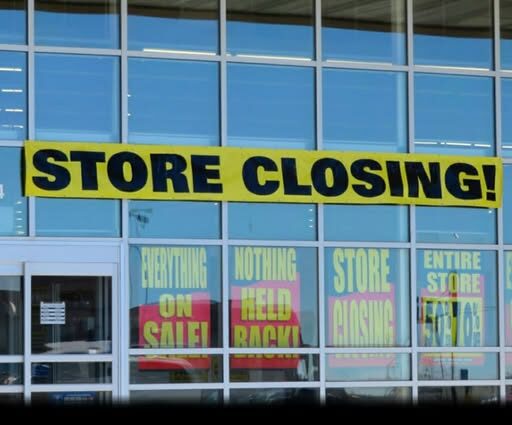
Major Store Closures Are Reshaping American Retail in 2026
A Retail Landscape Under Pressure
Across the United States, familiar storefronts are disappearing from malls, shopping centers, and neighborhood streets. What once felt permanent in many communities is now being reshaped by rapid financial and consumer changes.
In 2026, more than 2,000 store closures have already been announced or planned, and the number continues to rise as major retailers reassess their physical footprint, reduce costs, and shift toward digital-first strategies.
These closures span convenience stores, pharmacies, restaurants, grocery chains, department stores, and specialty retailers. For many communities, the impact goes beyond business—it affects access to everyday essentials and local services.
Why So Many Retail Stores Are Closing
Several major forces are driving this shift at the same time. Rising operating costs, changing shopping behavior, and the continued growth of e-commerce are pushing companies to rethink their store networks.
Many retailers also expanded aggressively in previous years and are now scaling back. Some are closing underperforming locations, while others are going through bankruptcy or major restructuring.
7-Eleven
7-Eleven is planning to close 645 stores across North America during its 2026 fiscal year. Despite this, the brand remains one of the largest convenience store operators globally and continues to open select new locations with updated formats focused on food service and efficiency.
Francesca’s
Francesca’s is undergoing bankruptcy and liquidation, resulting in the closure of hundreds of stores and significant job losses. Once known for boutique-style fashion, the company struggled to compete in a market dominated by online retail.
Walgreens
Walgreens continues a long-term restructuring plan that includes closing underperforming locations. The pharmacy sector remains under pressure from rising costs, reimbursement challenges, and shifting consumer behavior.
Wendy’s
Wendy’s is closing several hundred underperforming restaurants as part of a turnaround strategy aimed at improving profitability and strengthening its best-performing locations.
Macy’s
Keep reading…