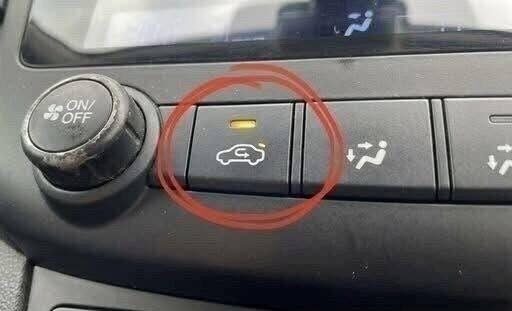
When driving through heavy traffic, tunnels, or polluted areas, outside air may contain exhaust fumes, dust, and other irritants. Activating recirculation helps limit how much of that air enters the cabin.
It can also be helpful for drivers with allergies, as it reduces exposure to pollen and other airborne particles.
When You Should Use Fresh Air Mode
While recirculation is useful, it should not be used all the time.
Overuse can cause carbon dioxide levels inside the cabin to rise slightly over long periods, which may lead to drowsiness or reduced alertness. It can also trap humidity, increasing the chances of fogged windows in certain weather conditions.
Fresh air mode is important for maintaining proper airflow, especially during long trips.
Common Driver Mistakes
Many drivers either rely too heavily on recirculation or never use it at all.
Leaving it on constantly can make the cabin feel stale, while never using it can reduce cooling efficiency and allow polluted air inside. The best approach is balance—switching modes depending on driving conditions.
A Simple Maintenance Tip
Even proper use of this feature won’t help if your cabin air filter is clogged.
This filter plays a key role in trapping dust, pollutants, and allergens before they enter the cabin. Replacing it regularly ensures cleaner air and more efficient airflow in both fresh and recirculation modes.
Final Thoughts
The air recirculation button may look minor, but it plays a major role in comfort, safety, and efficiency while driving. Knowing when to use it—and when to switch it off—can make every trip smoother and healthier.
What about you—do you use the recirculation button regularly or only in certain situations? Share your experience in the comments and join the conversation.