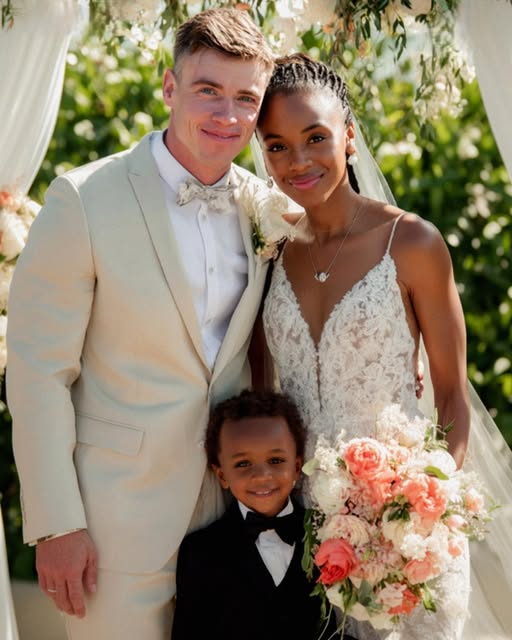
The next three years were a whirlwind of real-life joys: chaotic mornings, sticky kitchen drawers, and Saturday cartoons. One day, as seven-year-old Aaron called him “Dad” for the first time, Jonathan realized joy didn’t need polish—it needed presence.
Confronting the Past With Humanity
Margot eventually returned, demanding to see the life Jonathan had “given up everything” for. He didn’t stage perfection. Crayons on the walls, mismatched shoes, and magnets on the fridge remained. But what caught her attention was Aaron: a boy playing a squeaky piano, learning a Chopin piece Jonathan had once mastered under his mother’s exacting eye.
Aaron handed Margot a drawing of their family. “We don’t yell here. Daddy says yelling makes the house forget how to breathe,” he said. The weight of years of control began to shift.
At the kitchen table, Jonathan told his mother he had stopped performing for someone who never clapped for him. Margot, for the first time, admitted her obsession with control had been shaped by her own fears and losses.
A Legacy Rewritten
The next morning, Jonathan found a small gift card for Aaron and a note from Margot: “For Aaron. Let him play because he wants to.” That moment crystallized the truth: legacy isn’t about perfection or obedience—it’s about love, freedom, and the courage to choose joy. The house was messy, the piano key was still stuck, and the future was uncertain—but for the first time, the legacy was a song played for the right reasons.
💬 What does legacy mean to you? Can love and choice outweigh perfection? Share your thoughts and join the conversation below.