It sounded like praise.
But over time, Myra realized it also meant they assumed she would quietly adapt to situations without objecting.
A Conversation That Never Ended
A few weeks before leaving for Singapore, Myra’s mother had suggested that Kyle and his girlfriend, Brittany, stay in her home for a while because they were having financial difficulties.
Myra listened carefully before answering.
“I’m sorry,” she said, “but I’m not comfortable with that.”
She believed the conversation had ended there.
It hadn’t.
The Cameras Told the Story
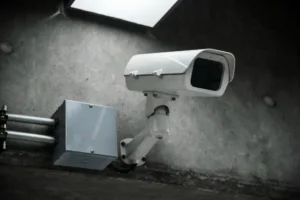
The security footage continued recording after her parents entered the house.
They walked through nearly every room discussing furniture placement.
They measured walls.
Opened closets.
Looked through storage areas.
Eventually, Kyle and Brittany arrived carrying bags and what appeared to be copies of house keys.
They entered without hesitation.
At one point, Kyle stretched out across the primary bedroom, commenting that Myra was away so often she probably wouldn’t mind.
The recordings documented each arrival, each conversation, and each movement through the home.
Rather than relying on memory, Myra now had a detailed record of exactly what had happened.
Responding Calmly
Although shocked, Myra resisted the urge to react emotionally.
Instead, she focused on preserving information.
She downloaded every available video clip.
Saved timestamps.
Archived camera logs.
Requested verification records from the security provider.
She also gathered copies of her property records and mortgage documents before contacting a real estate attorney for guidance.
After reviewing everything, the attorney confirmed what Myra already understood.
The property was solely in her name.
The mortgage was hers alone.
And an emergency spare key did not grant permission for someone else to move into the home without the owner’s consent.
Preparation Before Returning Home
Rather than interrupting her business trip, Myra concentrated on the work that had brought her overseas.
She completed her presentation and attended her meetings as scheduled.
Knowing the facts were documented gave her confidence that the situation could be addressed appropriately once she returned.
Sometimes, taking a careful, organized approach accomplishes far more than reacting in the heat of the moment.
A Lesson About Trust
Family relationships often rely on trust.
An emergency key represents confidence that someone will help protect your home when needed.
That trust also depends on respecting the limits that accompany it.
Myra’s experience became a reminder that clear communication and healthy boundaries matter—even among close relatives.
Generosity does not replace consent.
And caring about family does not require giving up ownership of your own decisions.
Looking Ahead
Every family faces challenges in different ways, and situations involving housing or financial hardship are rarely simple.
But one principle remains consistent.
Important decisions about someone’s home should always involve open conversation, mutual respect, and the owner’s clear permission.
In Myra’s case, the security cameras did more than record activity.
They preserved the facts—allowing the next steps to be guided by documentation instead of disagreement.