1. The Owl: Wisdom, Change, and Awareness
Few animals carry as much symbolic weight as the owl.
In many cultures, seeing or hearing an owl near one’s home has been considered meaningful. Interpretations vary widely:
- In some ancient Mesoamerican traditions, an owl’s call was viewed as a warning or sign of caution.
- Other civilizations regarded owls as sacred animals connected to wisdom and spiritual insight.
- In Greek mythology, the owl was associated with Athena, the goddess of wisdom and strategy.
Today, owls are commonly linked to awareness, intuition, and life transitions. Symbolically, spotting an owl can be seen as a reminder to reflect carefully before making decisions or to approach new opportunities with clarity and thoughtfulness.
From a scientific perspective, of course, an owl’s hoot is simply communication — marking territory or attracting a mate. Yet the bird’s quiet flight and keen night vision have naturally inspired associations with perception and insight.
2. Small Creatures, Big Symbolism
Beyond owls, many other animals are seen in folklore as symbols of positive energy or transformation.
Hummingbirds
In several Native American traditions, hummingbirds represent resilience, joy, and vitality. Their ability to hover and travel long distances despite their size makes them symbols of perseverance and adaptability.
Dragonflies
Often connected to water and light, dragonflies symbolize transformation and self-realization. Because they begin life underwater before emerging with wings, they are frequently associated with growth and personal evolution.
Butterflies
Across cultures, butterflies are linked to renewal and emotional balance. Their metamorphosis from caterpillar to winged adult has long represented change and new beginnings.
Spiders
Though sometimes feared, spiders hold positive symbolism in various traditions. In parts of Chinese folklore, a spider descending on its thread is interpreted as a sign of good fortune approaching. More broadly, spiders symbolize creativity and patience due to their intricate webs.
These interpretations vary by region and belief system, but they share a common theme: observing nature can inspire reflection on personal growth and resilience.
3. The Lizard: Protection and Adaptability
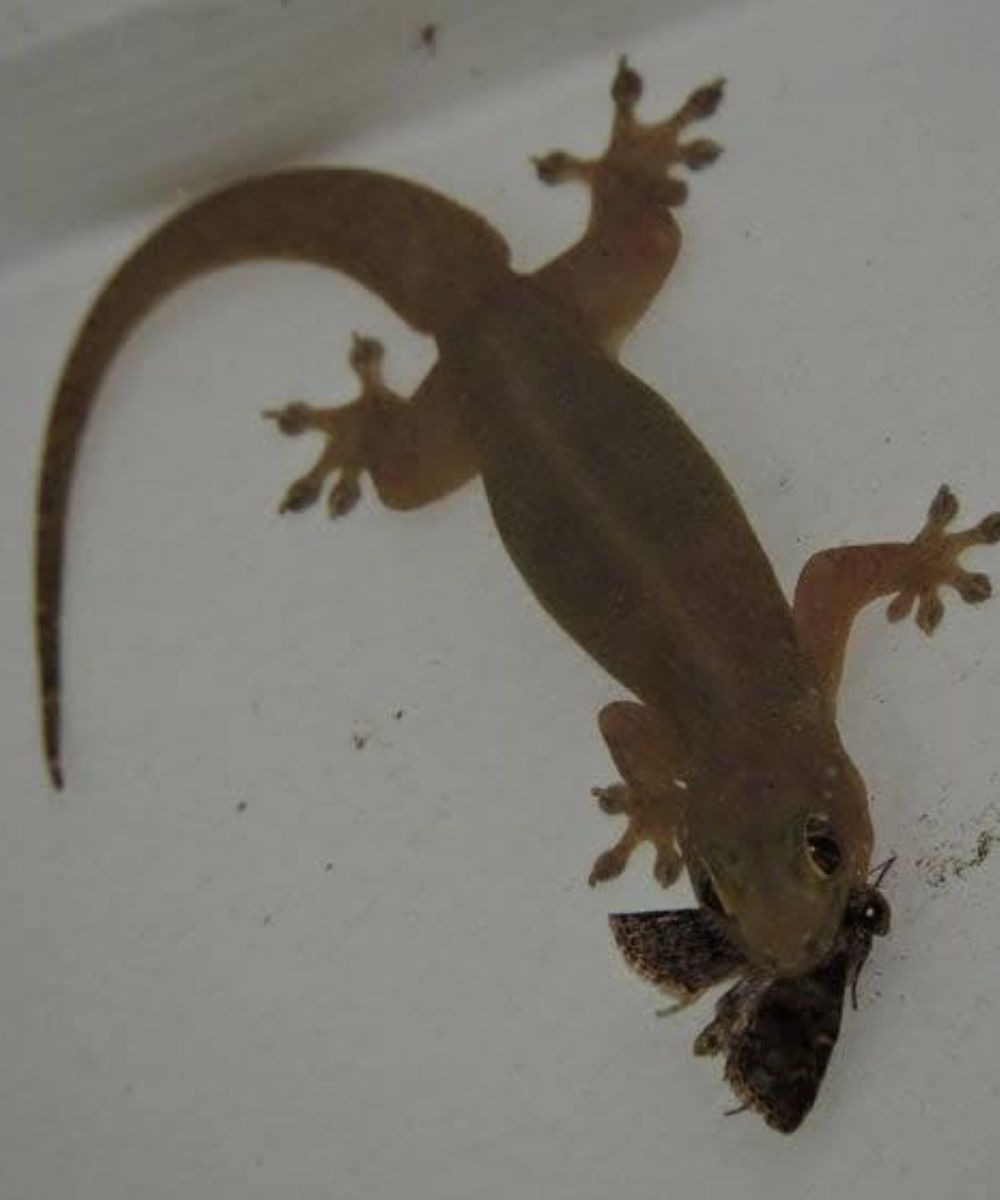
When a small lizard or gecko appears inside a home, reactions range from surprise to curiosity. In many cultural traditions, however, such visits are not viewed negatively.
Lizards are often associated with:
- Protection and alertness
- Survival instincts
- Adaptability during change
One widely cited symbolic trait is the lizard’s ability to detach its tail to escape danger. This biological defense mechanism has inspired metaphorical interpretations about letting go of harmful attachments or outdated habits in order to move forward safely.
While these meanings are symbolic, lizards are also remarkably resilient creatures that have adapted to diverse climates around the world — a reminder of nature’s resourcefulness.
4. Ecological Benefits: The Practical Side of Wildlife
Beyond symbolism, many of these animals provide real ecological benefits.
- Owls help control rodent populations, reducing the need for chemical pest control.
- Lizards and geckos feed on insects such as mosquitoes and flies.
- Spiders also play an important role in limiting insect populations indoors and outdoors.
- Dragonflies consume large numbers of mosquitoes, contributing to natural pest management.
By minimizing the use of harmful pesticides and respecting local wildlife, homeowners can support a healthier ecosystem. Even small creatures contribute to environmental balance in meaningful ways.
Finding Meaning in Observation
Whether viewed through the lens of tradition or ecology, encounters with wildlife can be opportunities for awareness. Cultural symbolism offers insight into how past generations understood the world around them, while science explains the practical roles these animals play in maintaining balance.
Seeing an owl perched nearby or a lizard dart across a wall doesn’t necessarily predict the future — but it can remind us to slow down, observe, and appreciate the interconnectedness of life.
Nature communicates in many ways. Sometimes, its “messages” are symbolic. Other times, they are simply reminders that even the smallest creatures have a place and purpose in the world around us.