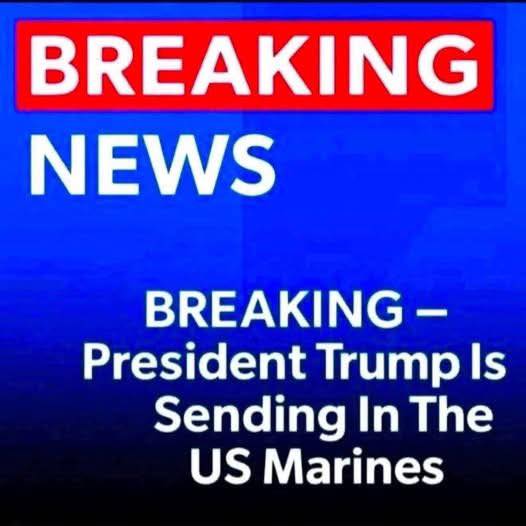
Supporters of the move argue that federal agencies are struggling under increasing workloads, staffing shortages, and overcrowded processing centers. From that perspective, the military’s organizational structure and logistical experience make it uniquely capable of helping stabilize operations during periods of high demand.
Advocates of the deployment describe it as a temporary support measure rather than a permanent expansion of military authority.
Critics Warn About Militarization Concerns
Despite those explanations, critics say the presence of Marines inside or around detention facilities sends a powerful message that goes far beyond logistics.
For immigration advocates and many local residents, military uniforms at civil detention centers create concerns about the growing overlap between national defense operations and domestic immigration enforcement.
Opponents argue that even if Marines are not directly involved in arrests or policing, their presence changes the atmosphere surrounding detention facilities and may intensify fear among migrant communities already facing uncertainty about their legal futures.
Civil rights organizations have also raised questions about transparency, oversight, and how long military personnel could remain involved in these operations.
Why The Debate Is Intensifying
The controversy touches on one of the most sensitive discussions in modern American politics: where the line should exist between military support and civilian governance.
Supporters believe the federal government is responding to a system under enormous strain and attempting to prevent further operational breakdowns.
Critics worry the deployment could normalize a stronger military presence in domestic administrative matters over time.
That tension has fueled heated conversations online, where people across the political spectrum are debating whether the move represents practical crisis management or a troubling precedent.
Communities Watching Closely
Residents living near the facilities say reactions have been mixed. Some feel reassured seeing increased federal coordination, while others fear the long-term impact such deployments could have on public trust and community relationships.
Immigration attorneys and advocacy groups continue monitoring the situation closely, calling for clearer public guidelines regarding exactly what Marines are permitted to do within the facilities.
Meanwhile, federal officials maintain that service members are operating strictly within limited support roles and are not replacing civilian immigration authorities.
A National Conversation Far From Over
The deployment has quickly become part of a larger national conversation surrounding border policy, immigration enforcement, and government authority.
As public attention grows, many observers say the real issue may not simply be what Marines are doing today — but whether this type of involvement could become more common in the future.
For now, the debate continues to intensify as Americans weigh concerns about security, human rights, government responsibility, and the evolving role of military resources during domestic crises.
One thing is certain: the images emerging from Florida have already sparked a conversation the country is unlikely to ignore anytime soon.
What are your thoughts on military support at detention facilities? Share your opinion respectfully in the comments and join the conversation.