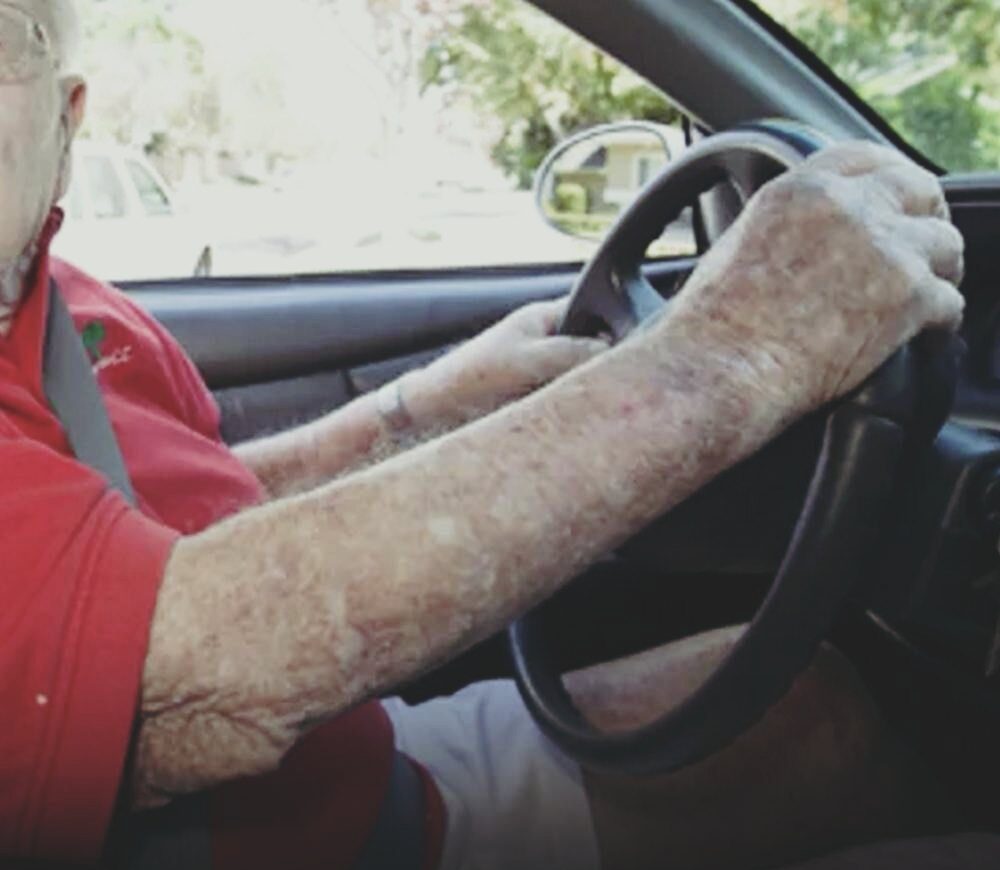
Other European nations, such as Germany and Italy, require periodic medical evaluations for older drivers to ensure ongoing roadworthiness.
Voluntary Checks and Refresher Training
Even without legal requirements, seniors can take proactive steps to stay safe:
- Medical evaluations assess vision, reflexes, coordination, mobility, and cognitive function. Doctors may recommend adjustments, such as driving only in daylight or avoiding busy roads.
- Refresher courses offered by driving schools help seniors review traffic rules, practice new technologies like driver-assistance systems, and rebuild confidence behind the wheel.
Adapting Vehicles and Habits
Practical changes can make a big difference. Switching from a manual to an automatic car reduces strain and simplifies driving. Workshops across France educate older drivers on road safety, new traffic rules, and navigating complex intersections like roundabouts.
The Balanced Approach
Experts warn against stigmatizing older drivers. Many seniors maintain decades of accident-free driving and remain highly responsible. The focus should be on regular self-assessment, voluntary medical checks, and refresher training—not age-based exclusion.
The ultimate goal? Ensure that everyone, regardless of age, has the skills, confidence, and awareness to drive safely—protecting independence while keeping roads safer for all.
💬 What do you think about age and driving safety? Share your thoughts below—how should communities balance independence and road safety for seniors?