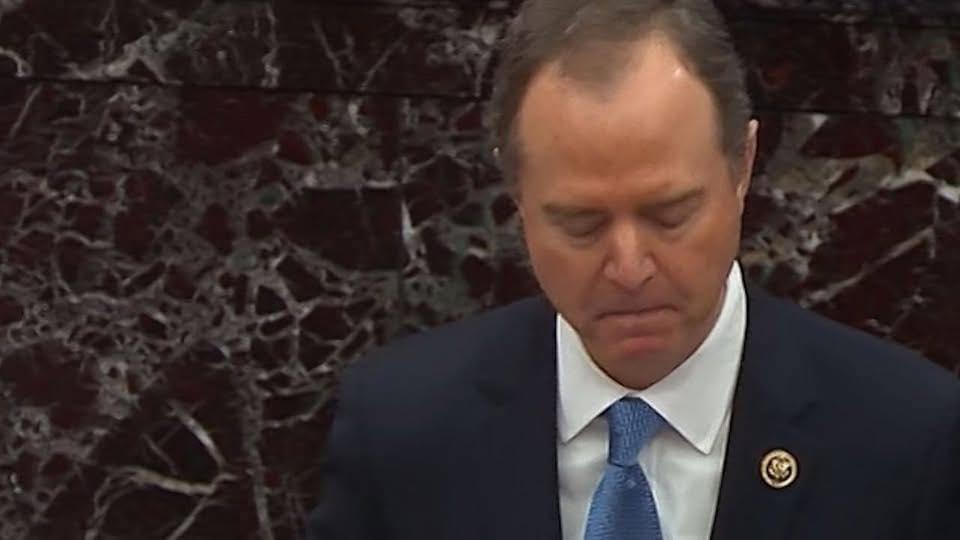
At the same time, critics view the development differently. Some worry that the confirmation could intensify existing political divisions in Washington. They argue that strong personalities in highly visible positions can sometimes deepen partisan disagreements rather than ease them.
Others have expressed concern about how future investigations or policy priorities might unfold. In their view, the coming months will reveal whether the new role leads to collaboration across political lines or sharper debate within Congress.
Even among critics, however, there is recognition that Adam Schiff has become a prominent voice in national politics and has the ability to influence public discussion.
What It Could Mean for Washington
Political analysts say the real significance of this confirmation will emerge through the decisions that follow. Leadership roles often come with the responsibility to set priorities, guide investigations, and shape legislative agendas.
Observers will be watching closely to see how those responsibilities are handled and how they affect both national policy discussions and future elections.
A Moment That Reflects a Divided Political Climate
The reaction to this confirmation highlights how deeply engaged—and sometimes divided—the political environment has become. Supporters view it as a step forward for experience and accountability, while critics see it as a sign of potential political confrontation.
Ultimately, the long-term impact will depend on how the role is used and how leaders across the political spectrum respond.
💬 What do you think this development could mean for the future of politics in Washington? Share your thoughts in the comments and join the conversation.