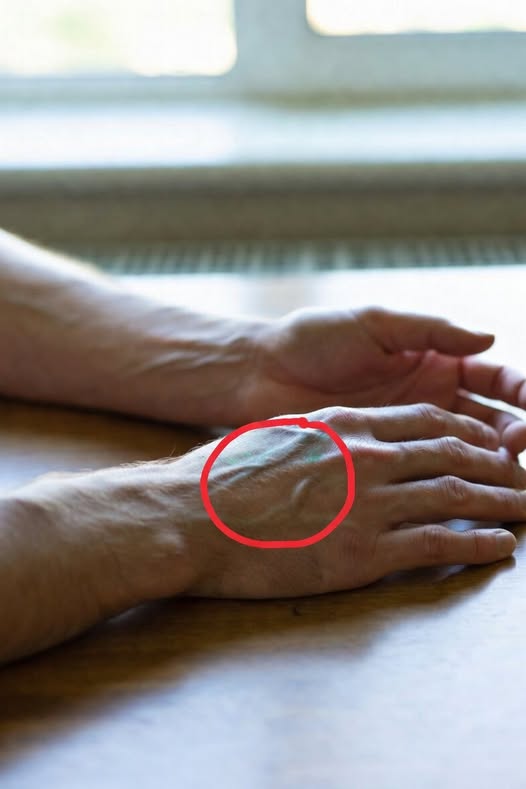
Hot weather triggers vasodilation, expanding veins. Aging can thin skin and weaken vein valves, making veins more noticeable. Women may also see veins pop up during pregnancy, menopause, or hormone therapy, as blood volume rises and vessel walls adjust.
When to Check With a Doctor
Most visible veins are harmless. But watch for warning signs like pain, swelling, warmth, heavy sensations, twisted varicose veins, or sudden new spider veins. Any rapid or localized changes should be checked by a healthcare professional to rule out circulation issues or other conditions.
How to Keep Veins Healthy
Simple habits can support circulation and vein health:
- Move regularly: Walk, stretch, or do calf exercises to help blood flow upward.
- Stay hydrated: Proper hydration keeps blood flowing smoothly and reduces pressure on veins.
- Use compression: If you sit or stand for long periods, compression stockings help support circulation.
Visible veins are usually a sign that your body is working hard, whether due to fitness, heat, or natural aging. They’re proof your circulatory system is doing its job—no panic required.
See new veins appearing? Track them, stay active, and support your circulation—your veins are sending signals, and listening is the key to long-term health!