Humanity has long been drawn to the mystery surrounding life’s most fragile moments—those instances when the line between living and dying feels almost transparent.
Throughout history and across civilizations, people have wrestled with timeless questions: What does consciousness experience during extreme danger? Does the mind perceive something beyond physical reality? And does survival itself carry deeper meaning?
These questions sit at the intersection of spirituality, science, and introspection. For some, they remain abstract topics of curiosity. For others, they become deeply personal when illness or trauma forces a confrontation with mortality.
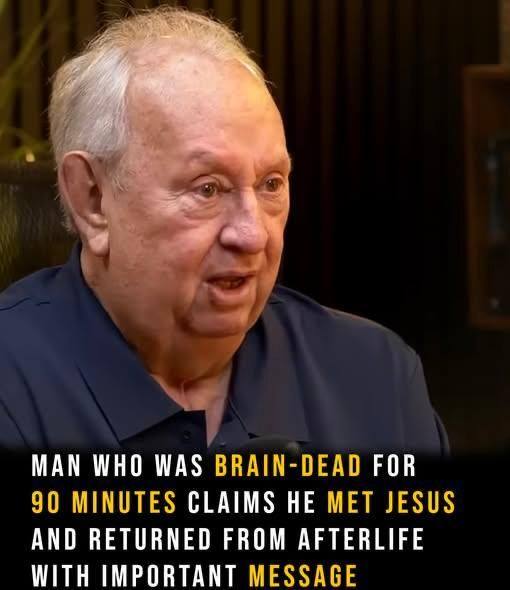
One such personal story comes from Robert Marshall—an author, husband, and thoughtful observer—whose medical crisis in 2024 profoundly reshaped his understanding of purpose, gratitude, and human connection.
Robert does not present his experience as definitive evidence of supernatural truth. Instead, he offers it as a personal reflection shaped by recovery, humility, and a transformed perspective on life.
The Medical Emergency Unfolds
In early 2024, Robert noticed swelling along his neck that initially seemed harmless. What appeared to be a minor issue escalated rapidly, evolving into a serious medical emergency.
The swelling intensified, interfering with his breathing and placing dangerous pressure on his lungs and heart. Within a short span of time, the situation became critical, and he was rushed to the hospital for urgent care.
Doctors responded swiftly, recognizing the severity of his condition. Despite immediate intervention, multiple systems in Robert’s body began to falter. His lungs struggled to deliver adequate oxygen, and his heart showed signs of severe stress.
This cascade of complications required continuous monitoring and coordination among specialists, life-support measures, and intensive care protocols.
Eventually, Robert lost consciousness and entered a coma that lasted several days. For his family, this period was marked by fear, uncertainty, and the painful reality of watching a loved one hover between survival and loss.
Medical teams worked relentlessly—managing respiratory support, medications, and stabilization efforts—highlighting both the fragility of the human body and the precision required to sustain life under extreme conditions.
Consciousness in the Coma State
While Robert’s physical condition was being managed, his internal experience during the coma left a lasting impression. When he later reflected on that period, he emphasized that it felt distinctly different from ordinary dreaming.
Rather than fragmented or illogical imagery, his recollections were vivid, cohesive, and immersive—experienced with a sense of clarity and presence.
He described an environment characterized by deep peace, warmth, and an overwhelming sense of acceptance. The atmosphere felt calm yet alive, gentle yet intensely real.
There was no fear or confusion—only a profound sense of awareness and comfort. Many people who report near-death experiences describe similar sensations, including detachment from the body or movement toward light.
Robert interpreted his experience through a spiritual lens, shaped by his personal beliefs and background.
A Presence Defined by Love
At the heart of Robert’s memory was a perceived encounter with Jesus—described not as a figure of judgment, but as one of unconditional compassion and understanding.
He recalls feeling entirely safe, deeply connected, and fully accepted—a stark contrast to the urgency and chaos surrounding his physical condition.
In that space, Robert felt as though he gained a broader understanding of existence, life, and responsibility. The experience carried a sense of being fully known, without criticism or fear.
For him, the message centered on love, meaning, and relational accountability—ideas that would remain influential long after he awakened.
The Decision to Return
One of the most striking moments in Robert’s recollection involved a conscious desire to return to life. His thoughts turned to his wife, whose presence and importance felt undeniable.
This emotional bond motivated him to seek a return to the physical world, a choice he believes reflected a central lesson of the experience.
Psychological research into near-death experiences often notes similar themes: individuals report renewed awareness of relationships, responsibilities, and unfinished purpose.
Robert’s reflection highlights this contrast—the tranquility of the experience balanced against the pull of love, commitment, and human connection.
Recovery on Multiple Levels
When Robert regained consciousness, recovery was neither quick nor easy. Physically, he required extensive rehabilitation, including respiratory therapy, nutritional care, and gradual rebuilding of strength.
His healing process demanded patience and collaboration with medical professionals who guided him through each stage of recovery.
Emotionally, the experience prompted deep reflection. Alongside moments of fear and uncertainty, Robert developed a heightened appreciation for life’s fragility and value.
Such responses are common after serious medical trauma, where vulnerability often leads to reassessment of priorities and meaning.
Rather than distancing himself from the experience, Robert integrated it into his worldview—treating it as a source of insight rather than something to dismiss or fear.
A Spiritual Interpretation
Robert frames his experience in spiritual terms, emphasizing themes of connection, compassion, and renewal. His reflections highlight values commonly associated with spiritual traditions:
- Empathy and care for others
- Responsibility toward loved ones
- Acceptance of life’s uncertainty
- Gratitude for survival and opportunity
He is careful to acknowledge the subjective nature of his experience, making no claims of universal truth.
Whether understood spiritually or psychologically, he believes the lessons remain meaningful and practical.
Psychological Perspectives
From a scientific viewpoint, Robert’s account aligns with patterns often observed in near-death experiences. Research suggests individuals may report:
- Heightened clarity around values and relationships
- Intense imagery or symbolic encounters
- Emotional insight tied to identity and purpose
- Reduced fear of death following recovery
Neuroscientists propose that such experiences may result from altered brain activity during extreme physiological stress.
Regardless of explanation, the psychological impact is often lasting and transformative.
Lessons Drawn From the Experience
For Robert, the significance of the event lies not only in its intensity, but in how it reshaped his daily life. He now shares his story as an invitation toward intentional living. Key insights include:
- Love is essential – Relationships give life depth and meaning
- Responsibility shapes purpose – Our commitments matter
- Resilience grows through adversity – Healing requires patience and support
- Life is finite – Awareness sharpens gratitude
These principles guide how he approaches life today, regardless of how others interpret his experience.
A Wider Human Phenomenon
Robert’s story reflects a broader pattern seen in accounts from people worldwide who have survived life-threatening events. Common themes often include:
- Encounters with light or loving presences
- Sensations of separation from the body
- Altered perception of time
- Profound emotional clarity
Interpretations vary widely, but many individuals report lasting changes in behavior, empathy, and appreciation for life.
Closing Reflections
Robert Marshall’s 2024 medical crisis highlights the fragile balance between physical survival and conscious awareness.
His reflections on love, responsibility, and meaning resonate because they emerged from genuine danger and recovery.
Whether viewed through spiritual belief, psychological insight, or both, his story illustrates how moments at life’s edge can inspire lasting transformation.
By sharing his experience, Robert reminds readers that uncertainty and vulnerability often carry the seeds of growth. Even in crisis, there exists the possibility of renewed purpose, deeper connection, and a more intentional way of living.
Ultimately, his journey stands as a testament to resilience, gratitude, and the enduring strength of the human spirit.