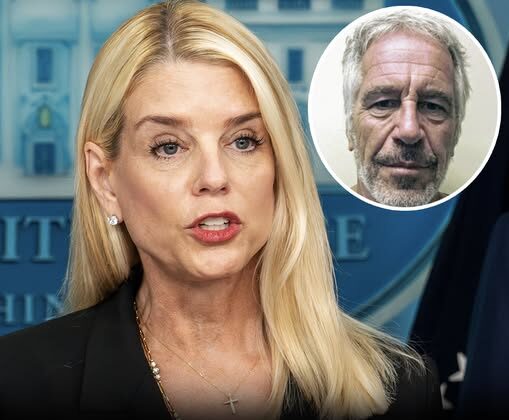
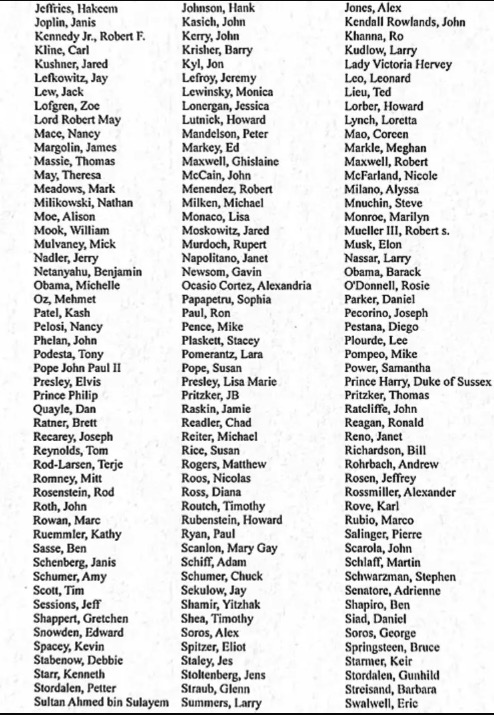
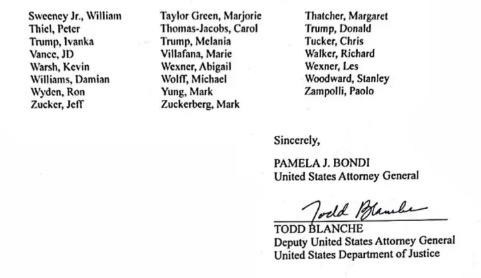
Bondi and her deputy, Todd Blanche, noted that references vary—from extensive communications with Epstein and Ghislaine Maxwell to brief mentions in documents or media coverage. Certain privileged materials, like attorney-client and deliberative-process records, were withheld where legally required.
Calls for Even Greater Transparency
Some lawmakers argue the disclosure is incomplete. Kentucky Republican Thomas Massie urged the DOJ to release internal memos explaining decisions not to prosecute Epstein or his associates. California Democrat Ro Khanna criticized the inclusion of historical figures like Janis Joplin on the same list as convicted abusers without context, calling for the full files to be made public, with only survivor identities redacted.
Concerns About Victim Privacy
Lawyers representing Epstein’s victims raised concerns that some released files inadvertently included sensitive information, such as email addresses and identifying images. The DOJ removed these materials after acknowledging the errors.
A Milestone in Transparency
The release marks a major step in public understanding of Epstein’s network, revealing hundreds of names and connections while leaving critical questions unanswered. Lawmakers, advocates, and the public continue to call for full disclosure and accountability.
“In accordance with the Act, the Department released all records, documents, communications, and investigative materials in its possession relating to nine specified categories,” Bondi and Blanche wrote.
Stay informed on the latest Epstein file updates—share your thoughts below and join the conversation about accountability and transparency.