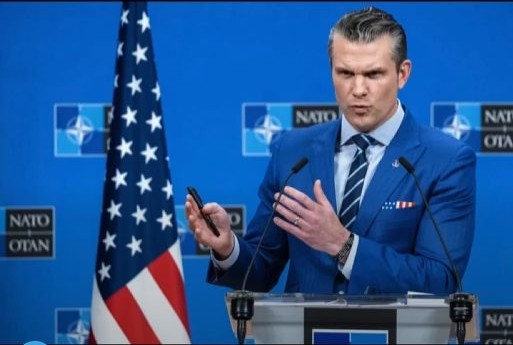
White House Press Secretary Karoline Leavitt also pushed back against reports suggesting that a replacement for Hegseth was being considered, labeling such claims as inaccurate.
Officials reiterated that the administration continues to support him despite ongoing media scrutiny.
Background of the Security Concerns
The controversy stems from earlier reports involving the Signal messaging platform, where sensitive discussions about military operations were allegedly exposed due to unauthorized access or miscommunication.
One incident involved the accidental inclusion of a journalist in a group chat containing defense-related information, raising broader concerns about digital security practices within government communications.
Another reported instance referenced discussions involving family members in private channels, which drew additional attention from lawmakers and media outlets.
Political Response and Debate
The situation has sparked debate in Washington, with some lawmakers calling for greater accountability, while others argue the incidents have been overstated.
Critics point to potential risks associated with handling sensitive operational information through unsecured or informal messaging platforms.
Supporters of Hegseth, including President Trump, have downplayed the controversy, emphasizing the success of recent military operations and rejecting claims that any real harm resulted.
White House Stance
The administration has repeatedly defended Hegseth, with the president publicly stating that he continues to support the Defense Secretary and believes he is performing effectively in his role.
Officials have also criticized media organizations covering the story, accusing them of relying on unverified sources and amplifying politically motivated narratives.
Ongoing Attention
Despite strong statements from the White House, the issue continues to attract attention in political and media circles, particularly regarding how sensitive information is managed within top-level government communications.
The situation has become part of a broader discussion about security protocols, internal discipline, and the role of modern messaging tools in national defense operations.
Closing Thought
As debates continue in Washington, the focus remains on whether internal communication practices will face new reforms or stricter oversight in the wake of recent controversies.
If you found this update insightful, share your thoughts below and join the discussion on how government security and accountability should be balanced in today’s digital age.