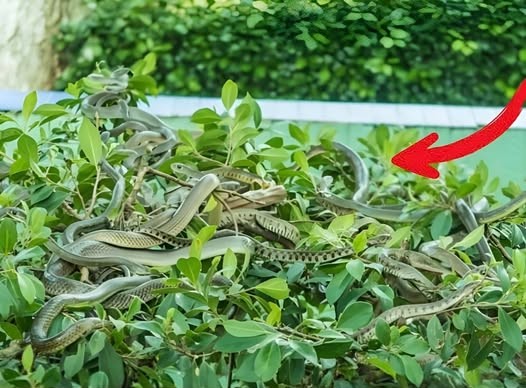
Snakes are a natural part of many environments, but their ability to appear in unexpected places often makes encounters feel unsettling. In regions with warm climates, dense vegetation, or high humidity, these reptiles are more commonly seen—not because they seek out people, but because those conditions support their survival.
One reason snakes surprise so many people is their adaptability. They can move quietly and fit into narrow spaces, allowing them to shelter in areas that go unnoticed. Around homes, they may be found in shaded, cool locations such as storage rooms, garages, or beneath furniture. Outdoors, they often rest under piles of leaves, rocks, or wood, where moisture and protection from heat are easier to maintain.
In rural or tropical settings, the chances of encountering a snake can increase. These environments provide abundant cover, steady warmth, and access to water sources—all factors that make them suitable habitats. Snakes tend to avoid open, busy areas and instead prefer places where they can remain hidden and undisturbed.
Certain plants are sometimes associated with snake sightings, not because they attract snakes directly, but because they grow in the same types of environments snakes prefer. For example, vegetation that thrives in damp, shaded areas may indicate a habitat that is also comfortable for reptiles. Observing the surroundings—such as dense ground cover or areas that stay consistently cool—can help identify places where snakes might be more likely to appear.
Keep reading…