Footwear also plays an important role. Shoes that are supportive, well-fitted, and not too tight can reduce unnecessary pressure on the feet and ankles. In some cases, compression socks are recommended, as they gently apply pressure that encourages better circulation and helps prevent fluid buildup.
Dietary habits can contribute as well. Reducing excess salt intake may help minimize fluid retention, while foods rich in potassium—such as bananas, spinach, and sweet potatoes—can support a healthier fluid balance in the body. Staying properly hydrated is equally important, as it helps the body regulate itself more efficiently.
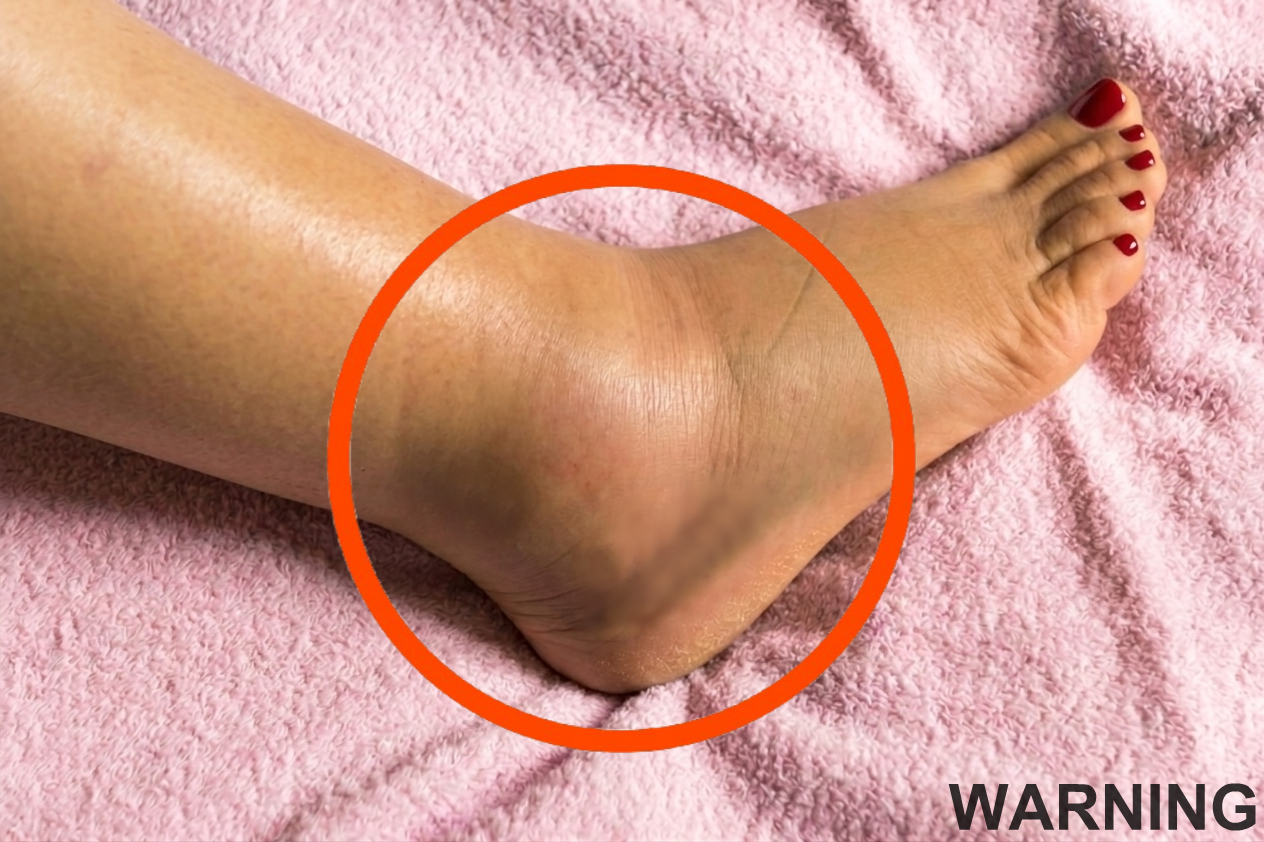
Still, it is important to remember that lifestyle changes are only part of the picture. Swelling that appears suddenly, becomes painful, affects only one leg, or is accompanied by symptoms such as chest discomfort, shortness of breath, redness, or warmth should be evaluated by a healthcare professional as soon as possible. These signs may indicate more serious conditions that require prompt attention.
Ultimately, paying attention to changes in your feet is a simple but powerful form of self-care. The feet often reflect what is happening elsewhere in the body, and early awareness can make a significant difference in long-term health and mobility.
If you found this helpful, share your thoughts below—have you or someone you know experienced swelling in the feet, and what changes made the biggest difference?