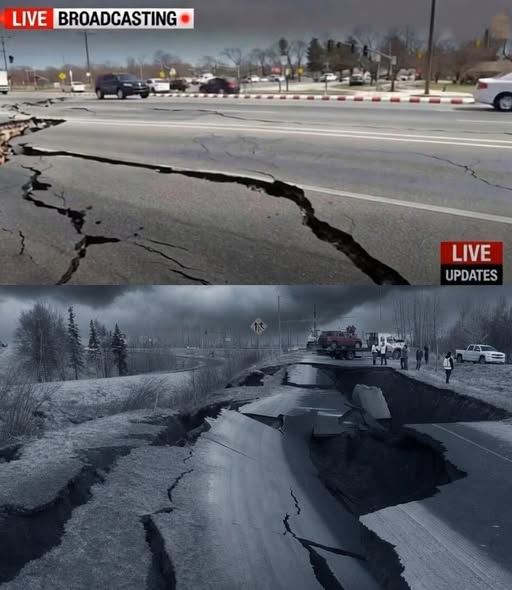
Even small acts of communication and reassurance became critical in reducing panic and helping people feel less isolated during a stressful situation.
In many disasters, community cooperation becomes one of the strongest tools for recovery — and this earthquake proved no exception.
Communication Problems Added to the Stress
Following the earthquake, some regions experienced temporary communication disruptions caused by network congestion and infrastructure strain.
For many residents, the inability to quickly contact loved ones increased anxiety during the critical first hours after the quake.
Officials encouraged the public to rely on verified information sources and official emergency updates rather than unconfirmed social media rumors, which can often spread confusion during rapidly evolving situations.
Why Southeast Asia Experiences Frequent Earthquakes
Southeast Asia sits within one of the world’s most seismically active zones due to shifting tectonic plates beneath the Earth’s surface.
Earthquakes occur when built-up energy underground is suddenly released, creating seismic waves that cause the ground to shake.
The severity of damage depends on several factors, including:
- Earthquake depth
- Magnitude
- Population density
- Building standards
- Emergency preparedness
- Speed of response efforts
Regions with stronger infrastructure and preparedness systems often experience fewer casualties and recover more quickly.
Preparedness Can Save Lives
Disaster experts continue emphasizing that while earthquakes cannot be prevented, preparation can significantly reduce risks.
Simple preparedness measures may include:
- Creating family emergency plans
- Identifying safe areas indoors
- Keeping emergency supplies ready
- Understanding evacuation procedures
- Following official guidance during emergencies
Even small levels of preparedness can dramatically improve safety outcomes during sudden disasters.
Emotional Recovery Matters Too
Beyond physical damage, earthquakes can leave lasting emotional effects on affected communities.
Sudden shaking, aftershocks, uncertainty, and disrupted communication often create high levels of stress and anxiety — especially among children and vulnerable populations.
Recovery therefore involves more than rebuilding roads and buildings.
It also requires:
- Emotional support
- Community reassurance
- Reliable communication
- Access to mental health resources
- Restoring a sense of normalcy
Authorities Continue Safety Inspections
Following the quake, engineering teams and emergency officials continued conducting detailed inspections of buildings, transportation systems, and essential infrastructure.
These assessments help determine:
- Whether structures remain safe
- Which areas require repairs
- Where public access should remain restricted
- How quickly normal activity can safely resume
Safety evaluations remain one of the most important steps after any major seismic event.
Technology Is Improving Earthquake Response
Advances in earthquake monitoring and early warning systems are also helping improve emergency response capabilities in some regions.
Modern systems can sometimes provide several seconds of warning before strong shaking arrives — valuable time that may allow people to:
- Take cover
- Stop dangerous machinery
- Move away from hazards
- Trigger emergency procedures
Mobile alerts and real-time communication systems are becoming increasingly important tools for disaster preparedness worldwide.
A Reminder of Nature’s Power — and Human Resilience
The recent earthquake affecting Myanmar, China, and Thailand serves as a powerful reminder of both the unpredictability of natural disasters and the importance of preparedness.
But it also highlights something equally important:
The resilience of communities that come together during moments of crisis.
Even in uncertainty, cooperation, communication, and rapid response can help reduce harm and support recovery.
And as rebuilding efforts continue, many affected communities will likely emerge stronger, more prepared, and more united for the future.
What earthquake preparedness steps do you think every household should have in place? Share your thoughts in the comments and follow for more world news, emergency preparedness tips, and global event updates.