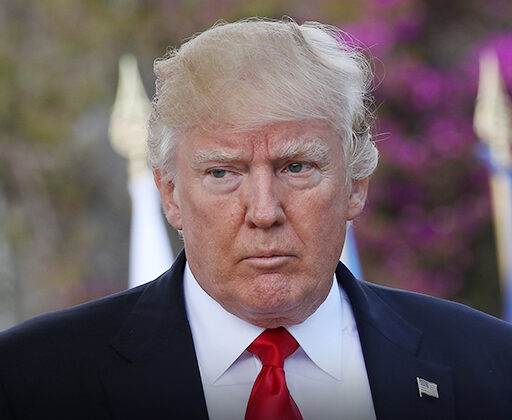
This situation highlights how policy positions can evolve as leaders respond to changing global conditions.
Campaign Messaging and Policy Evolution
During the 2024 election cycle, Trump’s messaging focused on maintaining stability and avoiding new international conflicts. This approach was presented as a key part of his broader political platform.
More recently, officials have framed new strategic decisions as responses to ongoing international security concerns, including discussions around nuclear development risks. Supporters argue that such actions are necessary in a complex global environment, while critics question whether they align with earlier commitments.
Calls for Clarity and Communication
Some observers have pointed out that limited public details surrounding major decisions can lead to uncertainty. In matters of national security, information is often shared selectively, which may contribute to differing interpretations.
This has led to continued calls for clear communication to help the public better understand the scope and reasoning behind policy actions.
Ongoing Domestic Discussions
At the same time, domestic issues continue to shape the broader political landscape. Public attention has focused on the release of government-related documents tied to past investigations.
The inclusion of public figures’ names in large document sets has generated debate, although such mentions do not by themselves indicate wrongdoing. As with many complex topics, interpretations vary depending on context and available information.
Balancing Global and Domestic Priorities
The overlap between foreign policy decisions and domestic discussions is a common feature of modern governance. Major international developments often draw significant attention, while internal matters continue to evolve simultaneously.
Different viewpoints reflect the challenges of managing both global responsibilities and domestic expectations at the same time.
Government Transparency Initiatives
In a separate development, the administration has initiated steps to release files related to unidentified aerial phenomena (UAPs). Agencies have been directed to identify and prepare materials for public access.
Officials have described the process as complex, involving multiple departments and requiring careful review before release. The effort has been presented as part of a broader commitment to transparency.
Public and Media Response
Public reaction to these announcements has been mixed. Some see the release of information as a positive step toward openness, while others emphasize the importance of maintaining focus on a wide range of policy priorities.
Media coverage has played a significant role in shaping how these developments are understood. The way information is presented can influence public perception and ongoing discussion.
An Evolving Political Landscape
These developments reflect the dynamic nature of modern politics, where multiple issues unfold at once. Foreign policy decisions, domestic debates, and transparency efforts all contribute to a complex and evolving environment.
As new information becomes available, perspectives may continue to shift.
Conclusion
Recent policy decisions and transparency initiatives highlight the interconnected nature of global and domestic issues. While some view these actions as necessary responses to evolving challenges, others stress the importance of clear communication and balanced priorities.
The discussion remains ongoing, illustrating how policy decisions and public perception interact in shaping national dialogue.