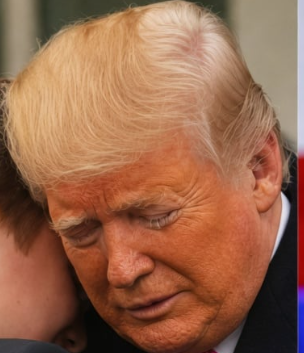
As the moment spread across media platforms, reactions arrived just as quickly—and just as intensely. Supporters interpreted what they saw as a sign of sincerity and emotional honesty, reinforcing their sense of loyalty and connection. Many described it as a reminder that behind the public persona is still a person carrying personal and political weight.
Others viewed the moment through a different lens, focusing less on emotion and more on the broader implications of the announcement itself. Yet even among critics, there was acknowledgment that the scene carried a gravity that transcended typical political discourse. It was less about agreement or disagreement, and more about witnessing a moment of visible strain at a high point of public scrutiny.
In the hours that followed, commentary filled television panels, online forums, and social media feeds. Clips were replayed, analyzed, and debated from every angle. Some focused on body language, others on tone, and many on what the moment might signal moving forward. But beneath all the interpretation, one reality remained: audiences had witnessed a departure from the usual political performance script.
What lingered most was not just what was said, but how it was felt. The atmosphere suggested a shift—however brief—from political theater into something more personal and unguarded. For a public accustomed to carefully controlled messaging, that contrast stood out sharply.
As the event recedes into analysis and opinion cycles, it leaves behind a familiar question that often follows moments like these: how much of what we see in public life reflects the person, and how much reflects the role they are expected to play?
In this case, the line felt unusually thin.
If this moment caught your attention, share your perspective in the comments—do you think public figures reveal their true selves in moments like these, or is everything still part of the performance?