Saharan dust sweeps Caribbean skies
Adding to the strain, a dense plume of Saharan dust drifted across portions of the Caribbean, turning skies a milky orange and lowering air quality. Health officials issued advisories for people with respiratory conditions, urging them to remain indoors when possible and keep medications on hand. Airlines and marine operators were also monitoring visibility closely, as the thick dust can affect navigation and safety. For the general population, masks, air purifiers, and limiting outdoor exertion are recommended precautionary measures during peak exposure.
Tropical activity stirs Atlantic waters
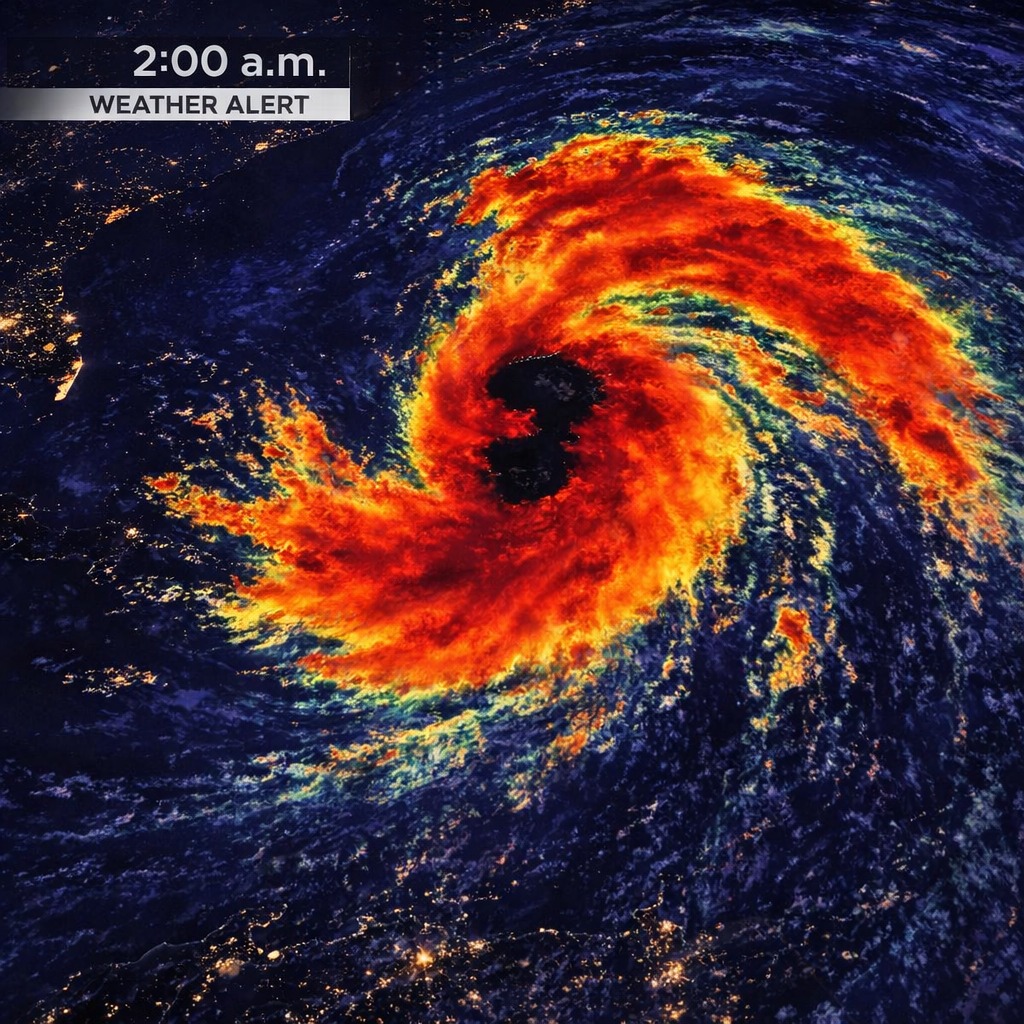
Offshore, Tropical Storm Flossie and several developing disturbances in the Atlantic are being closely tracked by meteorologists. While paths and intensities remain uncertain, warm ocean temperatures increase the potential for strengthening, prompting authorities to remind coastal communities to stay prepared for sudden storm escalation. Emergency management teams are reviewing evacuation routes and readiness protocols, emphasizing that preparation ahead of time is critical for safety.
The combined effect: a challenging week ahead
What has officials most concerned is the simultaneous impact of these events. Emergency services are balancing flood response, air quality warnings, storm monitoring, and public communication all at once. Residents are urged to follow local advisories, prepare emergency kits with essentials like water, food, flashlights, and medications, and ensure that family communication plans are in place. Coordinated action and community awareness are critical to navigating this unusually active period safely.
Tips for staying safe during overlapping weather events
- Monitor official weather channels and alerts from the National Weather Service and local authorities.
- Avoid driving through flooded roads and low-lying areas; even shallow water can sweep vehicles away.
- Keep windows closed and use air purifiers or masks to protect against airborne dust.
- Prepare an emergency supply kit with food, water, medications, flashlights, and batteries.
- Stay connected with neighbors and local support networks to assist vulnerable populations.
Even though the intensity of these overlapping events can feel overwhelming, proactive preparation, community support, and staying informed can help reduce risks and safeguard lives. While Mother Nature’s timing may be unpredictable, our response doesn’t have to be.
How is your community handling this unusual wave of weather? Share your experiences, tips, and photos with our readers below—we want to hear from you!