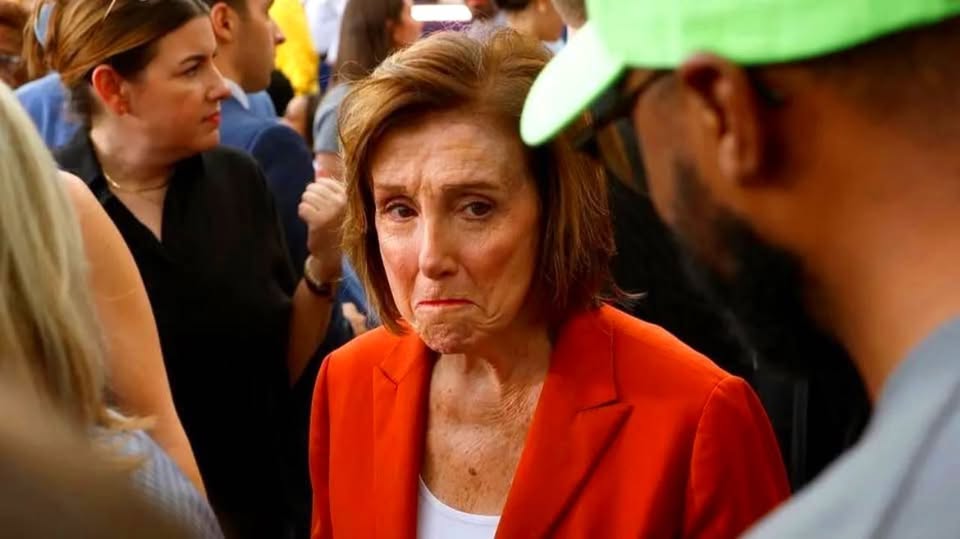
Additional accusations were made during the disruptions, including references to energy policy in Europe and geopolitical tensions involving infrastructure such as the Nord Stream pipeline. The hecklers framed these issues as evidence of broader systemic failures in international decision-making, though their statements were delivered in a highly charged and confrontational manner that further intensified the atmosphere.
Security personnel eventually intervened as the interruptions continued, working to restore order so the event could proceed. Despite efforts to de-escalate the situation, the repeated nature of the disruptions underscored the level of polarization surrounding public figures like Pelosi and the policies associated with her long political career.
Incidents like this highlight a broader trend in modern political discourse, where public events increasingly become stages for confrontation rather than dialogue. As emotions run high and global issues remain deeply contentious, political figures often find themselves facing not only formal criticism but also spontaneous outbursts from dissatisfied attendees.
While supporters and critics interpret such moments very differently, what remains clear is that public trust in political leadership continues to be closely scrutinized and frequently challenged in real time.
If anything, the episode reflects a larger reality of today’s political climate: conversations about war, policy, and accountability are no longer confined to institutions—they are unfolding directly in public spaces, often with no filter and no consensus.