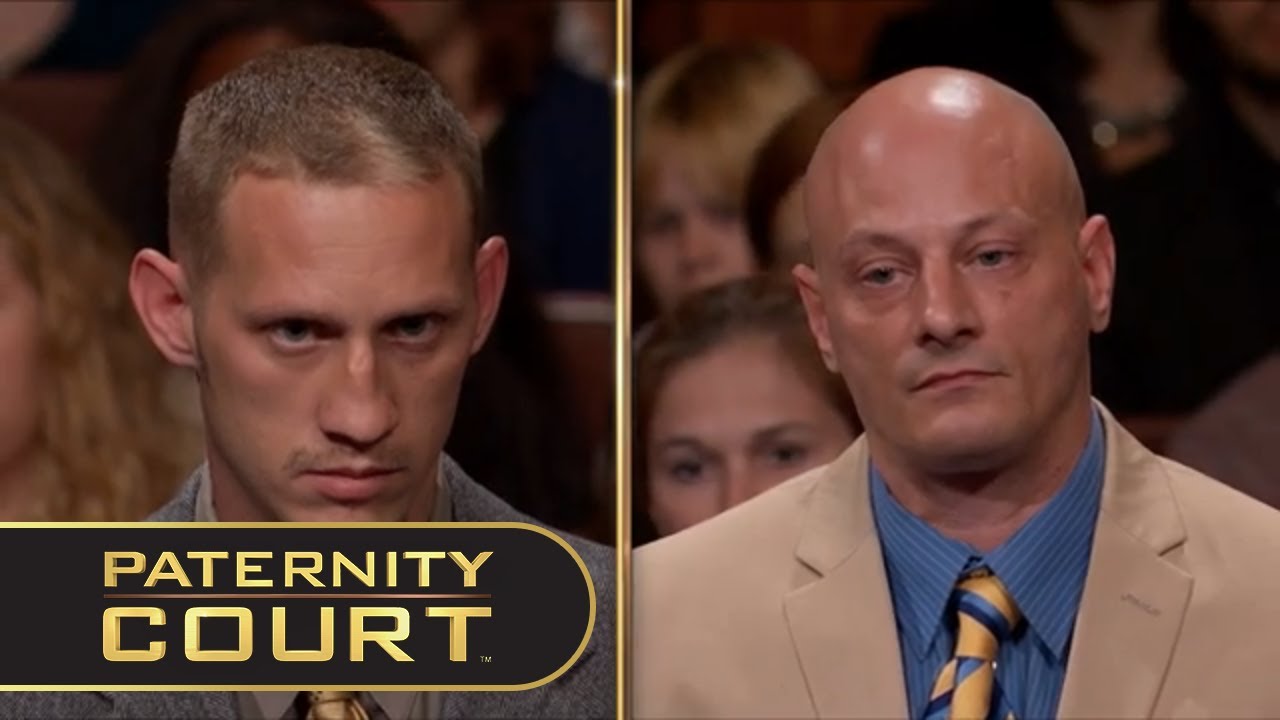
As tensions rose, Lauren Lake guided the conversation with a steady hand. Known for addressing both the legal and emotional sides of these cases, she pushed beyond surface arguments, urging both parents to consider the long-term impact of their actions—especially on the child.
The mother’s pain became impossible to ignore. She broke down, questioning why she had to fight for something as fundamental as acknowledgment. For her, the issue wasn’t just paternity—it was dignity, truth, and her child’s right to identity.
Meanwhile, the father’s hesitation revealed a deeper struggle. His doubt wasn’t just about facts—it was rooted in fear, past conflict, and emotional distance. But as the judge pointed out, continued denial carries consequences, especially for a child caught in the middle.
Then came the moment everything hinged on.
The DNA results.
The courtroom fell silent as the answer was revealed—confirming that the man was, in fact, the biological father. The truth, long delayed, was finally undeniable.
For the mother, the result brought long-awaited validation—but not complete healing. The emotional damage caused by years of doubt couldn’t disappear overnight. For the father, the reality hit just as hard. He was now forced to confront not only his role as a parent, but the impact his uncertainty had already caused.
Still, the result marked a turning point.
Acknowledging the truth, the father expressed regret and accepted responsibility. It wasn’t a perfect resolution, but it was a necessary beginning. The path forward—rebuilding trust, co-parenting, and healing—would take time.
This case serves as a powerful reminder: paternity is more than a test result. It’s about accountability, honesty, and the emotional foundation a child needs to grow.
Sometimes, the hardest part isn’t discovering the truth—it’s choosing what to do with it.
What are your thoughts on cases like this? Do you think truth always leads to healing? Share your perspective below and join the conversation.
FULL VIDEO: