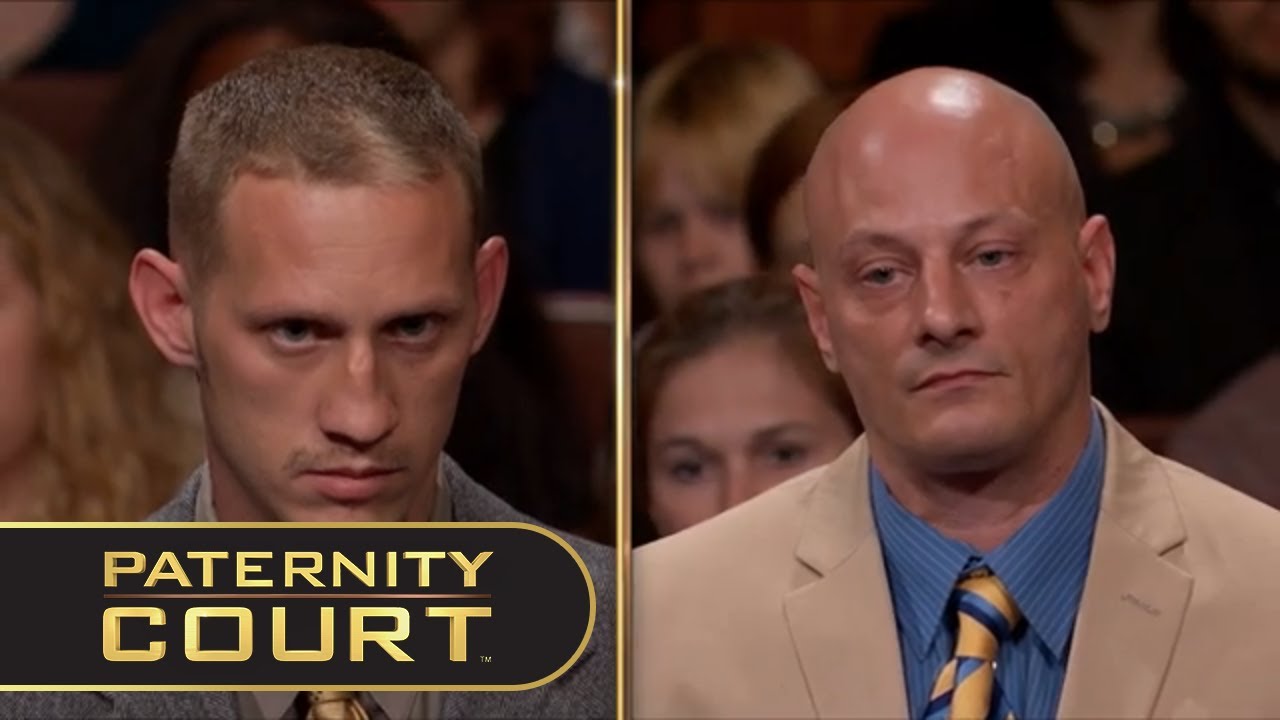
The father, however, struggled with hesitation. Despite the child’s resemblance to him, he couldn’t fully accept paternity without definitive proof. His uncertainty created an emotional barrier, making it impossible for him to move forward or consider repairing the relationship. That doubt didn’t just affect him—it left the mother feeling rejected and the child caught in the middle of unresolved tension.
Presiding over the case, Lauren Lake approached the situation with empathy and insight. She reminded both parents that while the courtroom exists to determine facts, the emotional impact of those facts cannot be ignored. Her questions pushed beyond legal arguments, focusing on the human cost of prolonged doubt—especially for a child who deserves certainty and support.
As emotions intensified, the mother’s pain became impossible to overlook. She questioned why acceptance had to be fought for, while the father’s reluctance revealed fear and emotional distance. The courtroom became a reflection of how unresolved doubts can erode relationships and delay accountability.
Then came the moment of truth. When the DNA results were revealed, it confirmed that the father was indeed the biological parent. The long-standing uncertainty was finally resolved—but the emotional journey was far from over.
For the mother, the result brought relief, but not immediate healing. Years of doubt had left scars that would take time to mend. For the father, the confirmation marked the beginning of accountability. He acknowledged his role and the impact his hesitation had caused, realizing that accepting the truth was only the first step toward rebuilding trust.
This case highlights a powerful lesson: paternity is not just about science—it’s about responsibility, honesty, and emotional presence. While DNA can provide answers, it’s the choices made afterward that truly shape a child’s future.
What do you think—can trust be rebuilt after years of doubt? Share your thoughts below and join the conversation.
FULL VIDEO: