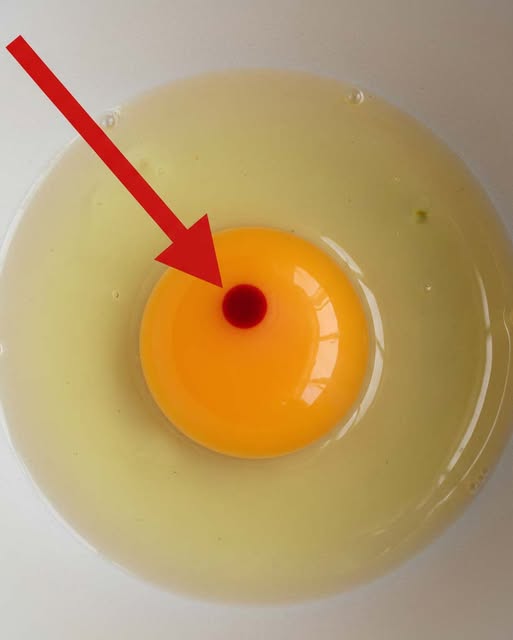
Factors like hen age, genetics, nutrition, and stress can make blood spots more likely. Older hens or those with vitamin deficiencies are more prone to tiny internal bleeding during egg formation.
Are Eggs With Red Spots Safe?
Yes. As long as the egg is fresh, stored properly, and shows no other signs of spoilage, blood spots are safe to eat. Many people simply scoop out the spot if the appearance is off-putting—the rest of the egg can be cooked normally.
Discard eggs only if they smell bad, have unusual colors like green or gray, a slimy texture, or were left unrefrigerated too long. Large or widespread red areas could indicate spoilage rather than a simple blood spot.
Nutrition and Practical Takeaways
Blood spots have negligible impact on nutrition—they might contain trace amounts of hemoglobin or iron, but the yolk and white already provide similar nutrients. These tiny imperfections are simply part of the natural process of egg production.
Next time you spot a red speck, don’t panic. It’s a harmless reminder that eggs are living products from hens, not factory-made objects. With proper storage and handling, they’re perfectly safe and nutritious.
💬 Ever found a red spot in your eggs? Share your experience or tips for handling them in the comments below and join the conversation!