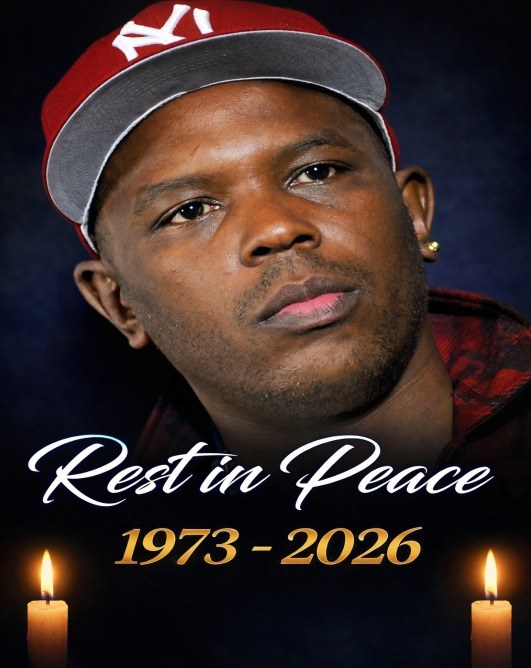
Grant played a crucial role in developing the Wu-Tang Clan’s groundbreaking business approach. At a time when many artists accepted traditional record deals, he helped push a model centered on ownership, independence, and long-term brand value. That thinking helped transform a Staten Island collective into a global cultural force.
One of his most influential moves came with the launch of Wu-Wear in 1995. Long before artist-driven fashion brands became standard, Wu-Wear proved that hip-hop could successfully cross into retail on its own terms. It wasn’t just merchandise—it was identity, expression, and ownership. That success helped pave the way for future generations of artists to expand beyond music into business ventures.
Within the industry, Grant was known as more than a manager—he was a builder. Under his guidance, the Wu-Tang brand extended into multiple areas, from entertainment to merchandising, all while maintaining creative control. His approach became a blueprint for artists looking to balance creativity with independence.
His passing marks a significant moment for fans and collaborators alike. Though he stayed largely out of the spotlight, his influence was foundational. He helped create an ecosystem where artists could thrive not just creatively, but financially and strategically.
As tributes continue to surface, one thing stands out: Oliver “Power” Grant helped redefine what success in hip-hop could look like. His legacy lives on not only in the music that shaped generations, but in the countless artists who now follow a path he helped design.
If this story resonated with you, share it and join the conversation—what do you think is his biggest legacy in hip-hop today?