A Species Making a Comeback
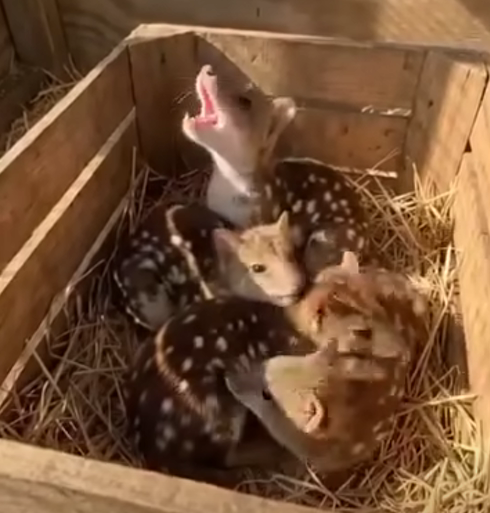
The animals were identified as young short-beaked echidna—a unique egg-laying mammal native to Australia.
While echidnas are not entirely unknown, successful breeding in controlled conservation environments is a significant milestone. For researchers, this discovery represents proof that ongoing efforts to protect and restore wildlife populations are working.
Years of Conservation Efforts
The sanctuary has been part of long-term conservation programs aimed at reintroducing and supporting native species. These efforts often involve habitat restoration, monitoring animal populations, and protecting them from external threats.
Finding newborn echidnas suggests that the environment is now stable and safe enough to support natural reproduction.
Why This Matters
Echidnas play an important role in their ecosystem, helping control insect populations and contributing to soil health. However, like many native species, they have faced challenges due to habitat loss and environmental changes.
This successful breeding event is a positive sign that conservation strategies are making a real difference.
A Moment of Optimism
For the research team, the discovery was both exciting and encouraging. Seeing new life in a species that once faced serious decline offers hope for the future of wildlife conservation.
Looking Ahead
While there is still work to be done, moments like this highlight the importance of protecting natural habitats and supporting conservation initiatives.
Small discoveries can lead to big changes—and in this case, a few tiny, spiky newborns may represent a brighter future for an entire species.