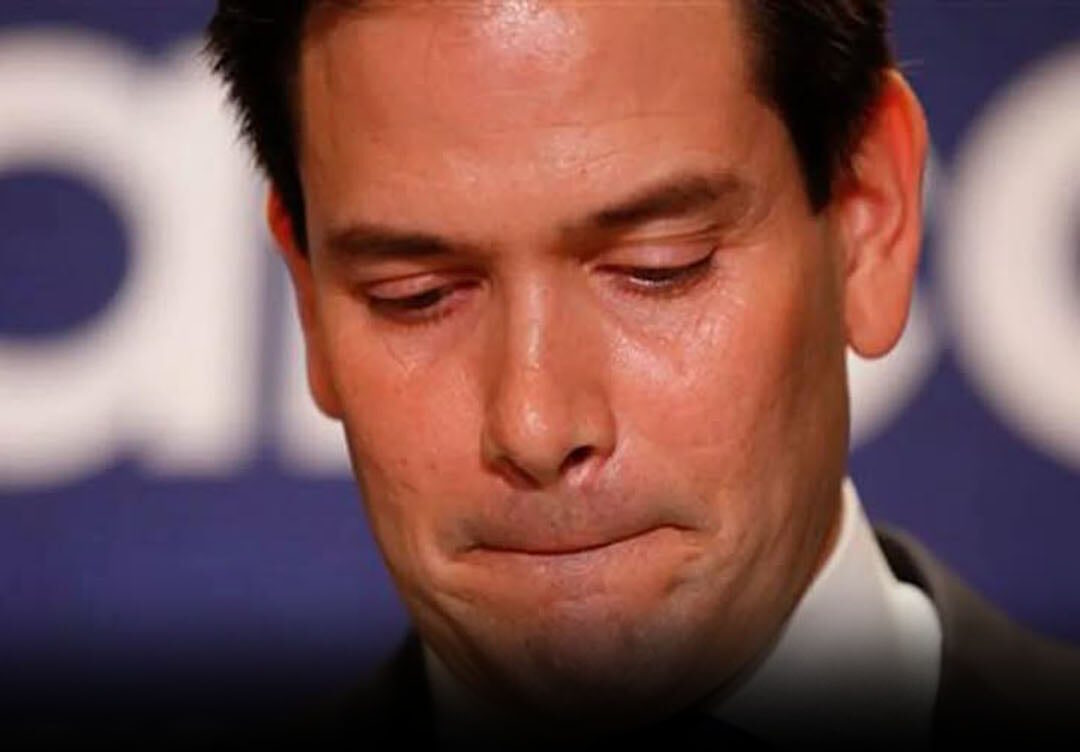
Marco Rubio’s New Role Sparks Debate Over Transparency and Power in Washington
The headlines didn’t just break—they ignited a firestorm. What seemed like a routine vote, quietly scheduled on page six of the congressional calendar, has suddenly reshaped discussions about influence and accountability in Washington. Supporters are calling it a step toward “efficiency,” while critics warn it could mark the rise of opaque decision-making behind closed doors.
At the center of the storm is Marco Rubio, whose recent appointment to a pivotal agency has drawn intense scrutiny. Unlike lawmakers who draft bills or argue on television, the agency Rubio now leads wields a quieter but far more consequential power: it determines which proposals see the light of day—and which vanish into bureaucratic limbo, never reaching the public’s eye.
This authority, long operating in relative obscurity, has now become a focal point for debates over governance. Observers argue that the office represents the intersection of efficiency and accountability. On one hand, its streamlined decision-making can accelerate processes that often stagnate in the legislative maze. On the other, the lack of transparency could allow critical policies to be stalled—or quietly shelved—without explanation, leaving citizens unaware of decisions that affect their lives.
Continue reading on next page…