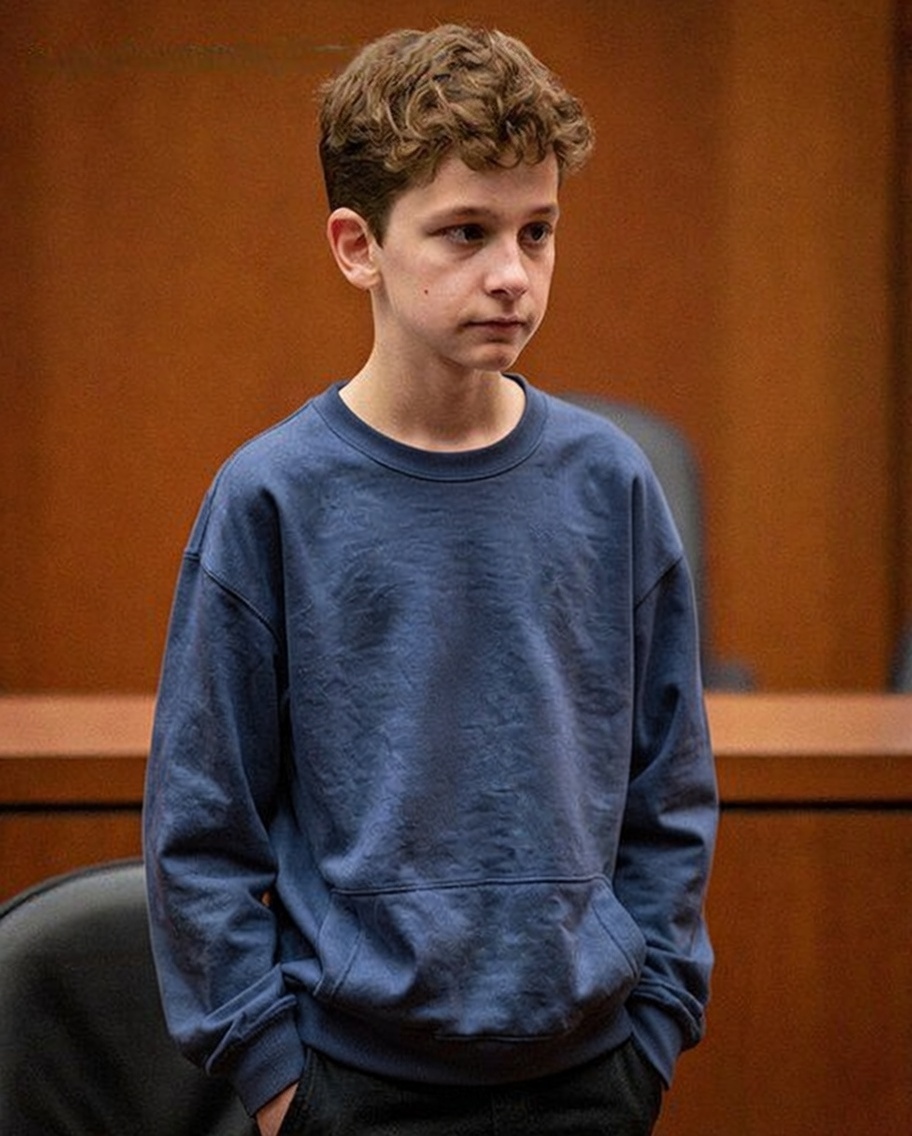
I didn’t say yes to adopt Jonah because I believed I could “fix” him. I said yes because my home had grown hollow with silence, and I had learned to listen to its many shades. My silence was born of grief—three miscarriages, a marriage that fell apart when my husband realized dreams couldn’t grow on unstable ground. Jonah’s silence was different. Alert, guarded, precise—a fortress built to survive a world that had let him down again and again.
Maribel, the caseworker, described him with careful words reserved for the “difficult” cases. Nine years old. No speech for years. Most families walked away, craving verbal connection. I didn’t. I knew how to live alongside absence, and I knew quiet doesn’t mean empty.
Jonah arrived with a single backpack and eyes sharp as a hawk. He didn’t cry. He didn’t cling. He stepped into our home, cataloging exits and corners, preparing for a sudden departure. I knelt and promised safety, but he only moved to the far sofa, hands folded like a small statue of survival.
The following months were a lesson in patience. I never demanded conversation. I read aloud, leaving notes in his lunch—“I’m glad you’re here” or “I’m proud of you.” For weeks, they returned crumpled or untouched, until one day, I found a note of my own folded carefully on the counter. He wasn’t just hearing me; he was listening.
Slowly, the fortress softened. Suppressed laughs revealed themselves during dinner stories. He began waiting for me at the door, noticing my moods, caring silently. One winter, when flu left me bedridden, I woke to a glass of water and a note: “For when you wake up.” His quiet care mirrored mine, and my heart ached with gratitude.
Continue reading on next page…