Most of the time, you never notice this.
But during sleep paralysis, your brain becomes aware while your body is still in that temporary “sleep mode.” The result can feel deeply unsettling: you are conscious, but you cannot move or speak.
Episodes usually last only a short time, often a few seconds to a couple of minutes. Still, when it is happening, it can feel much longer.
Why It Feels So Frightening
The scariest part of sleep paralysis is not just the inability to move.
It is the combination of being awake, frozen, and confused.
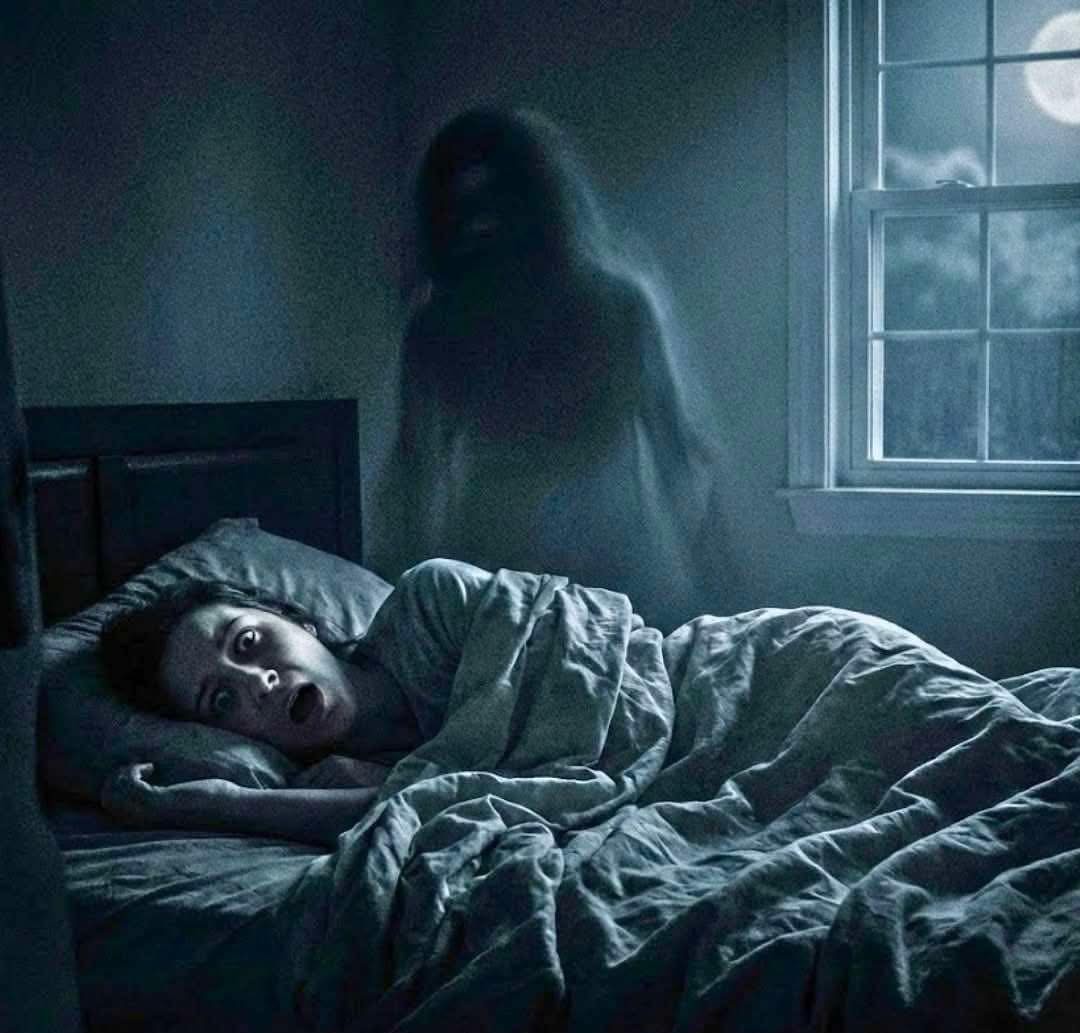
Some people feel pressure on the chest. Others feel like they cannot breathe normally, even though the body is still breathing. Some report hearing sounds, seeing shadows, or sensing a presence in the room.
That does not mean something supernatural is happening.
It means the brain may still be partly connected to dream-like imagery while the person is waking up. The experience can blur the line between sleep and reality, making it feel shockingly real.
That is why people often remember sleep paralysis with intense fear.
Common Signs of Sleep Paralysis
Sleep paralysis can feel different from person to person, but common symptoms may include:
- Being awake but unable to move
- Trying to speak but being unable to talk
- Feeling pressure on the chest
- A sense of fear or panic
- Feeling like someone is nearby
- Seeing shadows or strange figures
- Hearing noises that are not actually there
- Feeling detached from the body
- Waking up exhausted or anxious
For most people, the episode passes on its own.
Still, repeated episodes can become stressful, especially if they affect sleep quality.
Why Sleep Paralysis Happens
Sleep paralysis is often linked to disrupted sleep.
It may happen more often when the body is tired, stressed, or thrown off schedule. Poor sleep routines can make the brain and body fall out of rhythm, increasing the chance of waking during the wrong stage of sleep.
Common triggers may include:
- Lack of sleep
- High stress
- Anxiety
- Irregular sleep schedules
- Sleeping on the back
- Jet lag
- Extreme tiredness
- Poor sleep quality
- Sudden changes in routine
In some cases, frequent episodes may be connected to sleep disorders. If it happens often, causes intense fear, or affects daily life, speaking with a healthcare professional is a smart step.
Is Sleep Paralysis Dangerous?
In most cases, sleep paralysis is not dangerous.
It feels frightening, but the episode itself is usually temporary. The body eventually “catches up,” movement returns, and the person wakes fully.
The fear, however, can be very real.
People who do not understand what is happening may worry that something is seriously wrong. Others may avoid sleeping because they fear it will happen again.
That anxiety can create a cycle: poor sleep increases stress, and stress may increase the chance of more sleep paralysis.
Understanding the experience can make it less frightening.
What To Do During an Episode
If sleep paralysis happens, the first goal is to stay calm.
That is easier said than done, but reminding yourself that the episode will pass can help reduce panic.
Try focusing on slow breathing. Instead of trying to move your whole body, attempt to move one small part, such as a finger, toe, or the tip of your tongue.
Small movement can help the body fully wake up.
Some people also find it helpful to focus on blinking or repeating a calming phrase in their mind, such as, “This will pass.”
The key is not to fight the entire experience with panic. That often makes it feel worse.
How To Reduce the Chances of Sleep Paralysis
There is no guaranteed way to prevent every episode, but better sleep habits may help.
A consistent sleep schedule is one of the most useful changes. Going to bed and waking up around the same time helps the body maintain a healthier rhythm.
Other helpful habits include:
- Getting enough sleep each night
- Avoiding screens right before bed
- Reducing caffeine late in the day
- Creating a dark, quiet sleep environment
- Managing stress before bedtime
- Avoiding irregular sleep patterns
- Trying not to sleep flat on your back if episodes happen often
Small changes can make a noticeable difference over time.
Why People Once Blamed Spirits, Witches, and Shadows
Sleep paralysis is not new.
People have experienced it for centuries. But before modern sleep science, many cultures explained it through religion, folklore, and supernatural belief.
That makes sense.
Imagine waking up hundreds of years ago, unable to move, feeling pressure on your chest, and sensing something in the room. Without scientific explanations, it would be easy to believe something outside the body was responsible.
Across history, different cultures gave sleep paralysis different names and meanings.
In parts of Europe, people told stories of witches or night spirits pressing down on sleepers. In some Middle Eastern traditions, the experience was linked to jinn. In Japan, the phenomenon has long been associated with the idea of being spiritually “bound” or held down. In parts of Italy, folklore described frightening night creatures that sat on the chest of the sleeping person.
The details changed from place to place, but the core experience stayed similar.
A person woke up.
They could not move.
They felt pressure.
They sensed a presence.
They needed an explanation.
Why Culture Shapes the Experience
One of the most interesting things about sleep paralysis is how culture changes the way people interpret it.
The biological event may be similar, but the story people attach to it depends on what they already believe.
Someone raised with stories about spirits may interpret the experience as spiritual. Someone who watches horror films may describe shadowy figures. Someone familiar with sleep science may recognize it as a temporary mismatch between waking and REM sleep.
The brain tries to explain what it feels.
When the experience is confusing and frightening, the mind may fill in the blanks with images, fears, and familiar stories.
That does not mean the person is making it up.
The fear feels real because the brain is experiencing something intense.
Modern Sleep Paralysis Stories
Today, people may not always talk about witches or ancient spirits, but the stories have not disappeared.
They have changed.
Some people describe shadow figures. Others describe intruders in the room. Some connect the experience to aliens, horror imagery, or ghost-like presences.
The setting is modern, but the pattern is old.
The body freezes.
The mind wakes.
Fear takes over.
The brain searches for meaning.
That is why learning the science matters. Once people understand what sleep paralysis is, the experience often becomes less terrifying.
Knowledge does not always stop the episode, but it can reduce the fear around it.
When To Speak With a Doctor
Occasional sleep paralysis is usually not a major concern.
But medical advice may be helpful if it happens often, causes extreme fear, affects your sleep, or leaves you tired during the day.
You should also consider speaking with a healthcare professional if sleep paralysis comes with other sleep issues, such as sudden daytime sleep attacks, intense nightmares, or ongoing insomnia.
A doctor or sleep specialist can help determine whether another sleep disorder or health issue may be involved.
The Bottom Line
Sleep paralysis can feel terrifying, but it is usually not harmful.
It happens when the brain wakes while the body is still temporarily relaxed from sleep. This can create a strange state where you are conscious but unable to move.
The experience may come with pressure, fear, hallucination-like sensations, or the feeling that something is nearby.
For centuries, people explained it through folklore and superstition. Today, science gives us a clearer answer.
Sleep paralysis is not a sign that something supernatural is attacking you. It is usually a temporary sleep-related event — frightening, but explainable.
The more you understand it, the less power it has over you.
Have you ever experienced sleep paralysis or heard someone describe it? Share your thoughts in the comments — your story may help someone else feel less afraid the next time it happens.