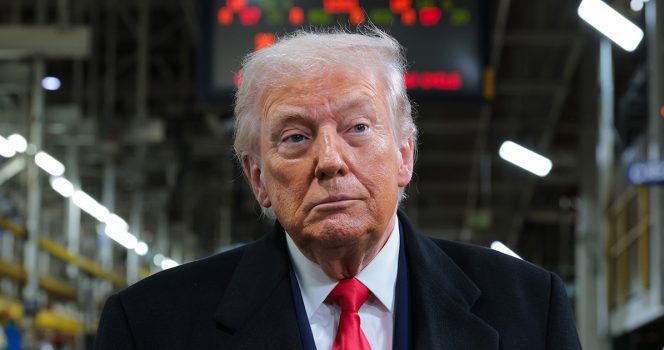
In recent media appearances, Trump defended the operation as necessary for national security, saying the goal was to reduce long-term threats to the United States and its allies. He indicated that the campaign was intended to prevent further destabilization in the region.
Prominent Conservatives Voice Concerns
Media personality Tucker Carlson criticized the decision publicly, stating that he opposed further U.S. military involvement abroad and had urged restraint in private discussions. Carlson emphasized that military actions should be limited and carefully considered due to the potential for unintended consequences.
Former congresswoman Marjorie Taylor Greene also shared reservations, noting that prolonged foreign conflicts have historically resulted in significant costs for American families. She argued that U.S. policy should prioritize domestic needs and avoid open-ended military engagements.
Senator Rand Paul raised constitutional concerns, stating that decisions to initiate or expand military action should involve Congress. He emphasized that the Constitution assigns war-making authority to the legislative branch in order to limit unilateral executive action.
Commentator Matt Walsh cautioned against framing military involvement as a humanitarian mission, arguing that foreign policy decisions should focus primarily on the direct interests and safety of American citizens.
Ongoing Debate Over U.S. Foreign Policy
The recent developments have renewed broader debate within conservative circles about the United States’ role in overseas conflicts. While some support assertive measures to counter perceived security threats, others advocate for a more restrained approach that prioritizes diplomacy and congressional oversight.
Legal scholars and lawmakers have also highlighted the importance of adhering to constitutional processes when authorizing military operations. These discussions reflect long-standing tensions in U.S. politics over executive authority, national security, and the limits of military intervention.
Looking Ahead
As the situation in the region continues to evolve, political leaders across the spectrum are expected to debate the appropriate scope of U.S. involvement. For now, the differing reactions among Trump supporters underscore how foreign policy decisions can create unexpected divisions within political movements, especially when questions of constitutional authority and long-term consequences are involved.