Many people grow up with the belief that danger is dramatic, immediate, and unmistakable. Films, television, and even common advice often suggest that threats announce themselves through chaos—breaking glass, blaring alarms, shouting voices, or physical confrontation. Over time, this shapes a mental shortcut: if an environment feels quiet and ordinary, it must be safe.
This assumption is comforting and often accurate. However, real-life risks are frequently far more subtle. Some of the most serious dangers are quiet, unremarkable, and hidden within routine situations, familiar places, and everyday actions we rarely question.
Imagine a calm parking lot at dusk. The space is mostly empty, the lighting is adequate, and there is nothing outwardly threatening. You park your car, glance around casually, and step out to grab an item or inspect something near the vehicle. To most people, nothing about this scene raises concern. Yet in certain documented situations, small and seemingly harmless details have played a role in creating unexpected vulnerability.
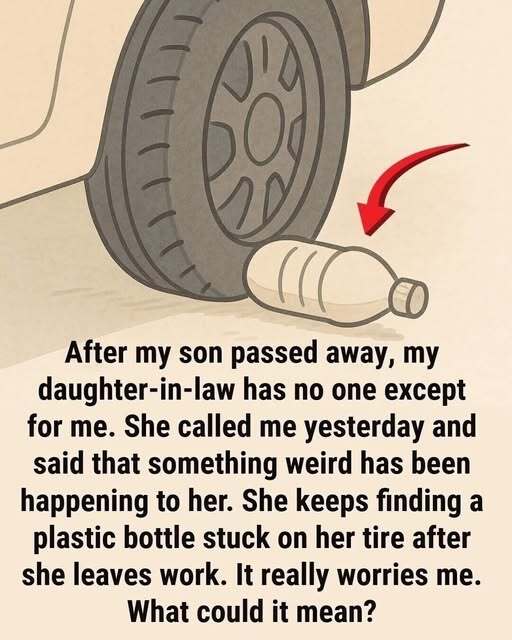
One example involves a simple plastic bottle wedged between a tire and the wheel well. At first glance, it looks like ordinary litter—something blown by the wind or accidentally left behind. It appears insignificant and easy to dismiss. In rare cases, however, such objects have been intentionally placed to trigger distraction. The real issue is not the object itself, but the automatic reaction it provokes.
Humans rely heavily on habit, especially during routine tasks like driving. Fatigue, familiarity, and repetition reduce conscious awareness. When an unfamiliar sound—such as plastic scraping or rattling—breaks that routine, instinct takes over before careful thought can intervene. Curiosity or concern prompts an immediate response.
Many drivers instinctively stop, place the car in park, and exit to investigate. In that moment, doors may remain unlocked, keys left inside, and belongings visible. Although brief, this lapse can create an opportunity for exploitation.
Criminals who understand behavioral patterns do not always rely on force or confrontation. Law enforcement and crime prevention research show that timing and distraction are often enough. In reported cases, someone nearby may take advantage of the moment—accessing the vehicle, stealing visible items, or, in rare situations, driving away before the driver can react.
No noise, threats, or aggression are required. The vulnerability arises quietly, through instinct and divided attention rather than overt danger.
It is important to emphasize that most unusual objects or sounds around vehicles are completely accidental. Awareness does not mean assuming malicious intent. The purpose of understanding these scenarios is to encourage mindfulness, not fear.
There are practical ways to reduce risk. First, pause before exiting the vehicle. Take a few seconds to scan the area, notice movement, and assess whether anyone is nearby. This brief check restores awareness and reduces impulsive action.
Second, maintain basic security habits. Keep doors locked until you are ready to leave, close windows, and remove or conceal valuables. Visibility often determines opportunity, and minimizing it lowers risk.
Third, if something unusual is noticed near the tires, consider moving the vehicle to a safer location before stepping out. A well-lit area with people nearby provides greater visibility and deterrence. If the object poses a potential risk to the vehicle, addressing it in a more open environment is often the safer choice.
Fourth, develop situational awareness. This concept involves recognizing what is typical in a given environment and noticing when something feels out of place. In parking areas, this may include observing lingering individuals, vehicles without clear purpose, or objects positioned unusually.
Technology can also assist. Cameras, proximity sensors, and vehicle alerts provide additional information, though they should complement—not replace—personal awareness.
The broader lesson extends beyond parking lots. Many everyday risks rely on distraction: theft, accidents, and injuries often occur when attention is divided. Understanding how instinct and routine interact helps individuals respond intentionally rather than reflexively.
Psychologically, humans are wired with a startle response designed for survival. While useful, it can override rational decision-making. Awareness of this tendency allows people to pause, regain control, and choose safer actions.
Routine itself also plays a role. Familiar tasks place the mind on autopilot, reducing attentiveness. Introducing small conscious habits—such as scanning surroundings or pausing briefly—interrupts this pattern and improves safety.
These practices need not be stressful. The goal is calm awareness, not constant suspicion. Mindfulness allows ordinary activities to remain peaceful while maintaining preparedness.
Community design supports this approach as well. Well-lit areas, visible activity, and clear sightlines reduce opportunities for distraction-based incidents. Public safety initiatives consistently emphasize awareness rather than fear.
Ultimately, safety is rooted in presence. Danger often arrives quietly, without spectacle or warning. By recognizing that risk can be subtle and ordinary, individuals gain the ability to respond thoughtfully instead of reactively.
Small actions—locking doors, observing surroundings, choosing visible locations—may seem minor, but their impact is significant. Awareness transforms routine moments into opportunities for prevention.
In conclusion, the example of a bottle near a tire illustrates a broader truth: threats rarely announce themselves dramatically. They often rely on distraction, timing, and instinct. Mindfulness and deliberate action neutralize these risks without disrupting daily life.
When approached with awareness, everyday moments remain calm, predictable, and secure. Presence—not panic—is the most effective safeguard against the quiet dangers that often go unnoticed.