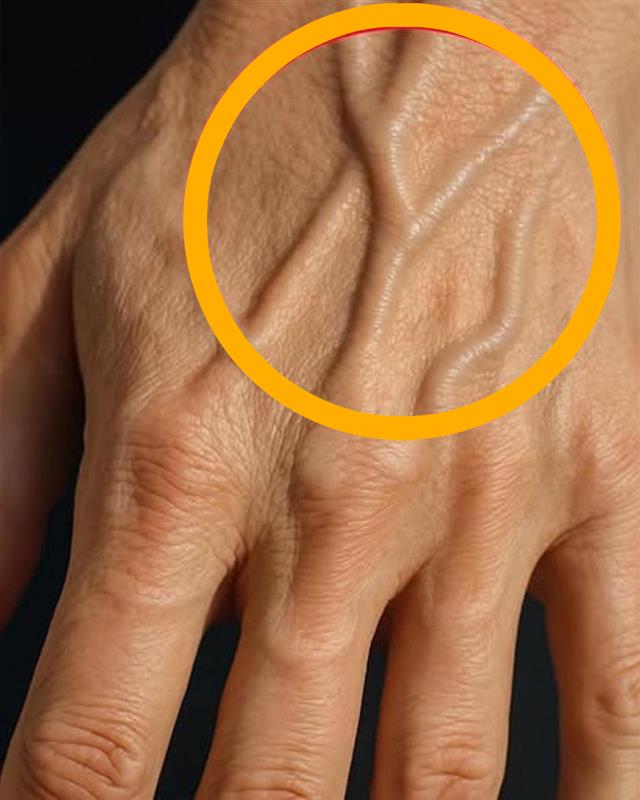
These could be warning signs of blood clots or serious vascular issues like deep vein thrombosis (DVT) or pulmonary embolism. Immediate medical attention is crucial in these cases.
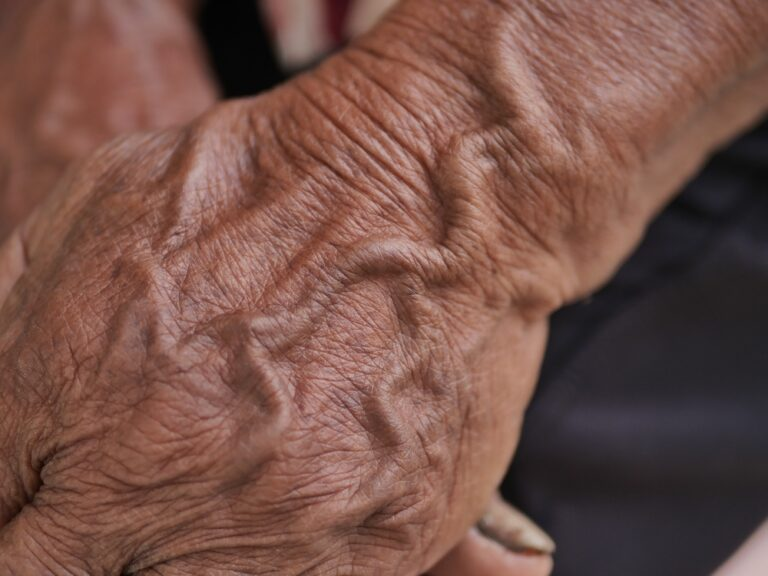
How to Keep Your Veins Healthy
While you can’t make veins invisible, you can support vein health:
- Stay active—regular movement boosts circulation.
- Maintain a healthy weight to reduce pressure on veins.
- Avoid long periods of sitting or standing; stretch often.
- Quit smoking to improve blood flow.
- Wear loose clothing that doesn’t restrict circulation.
For persistent varicose veins, treatments range from compression stockings and lifestyle adjustments to medical procedures like sclerotherapy or vein surgery. Early action can make a big difference.
The Bottom Line
Visible blue veins are common—especially if you’re thin, active, or aging. Around one in three adults deal with varicose veins at some point, and in many cases, there’s no urgent concern.
But veins that bulge, throb, or look inflamed could be your body signaling heart or circulatory issues. Don’t ignore these signs—listen to your body and check in with your doctor if anything changes suddenly.
💙 Have you noticed veins popping up on your hands or arms? Share your experience in the comments and join the conversation about keeping circulation healthy!