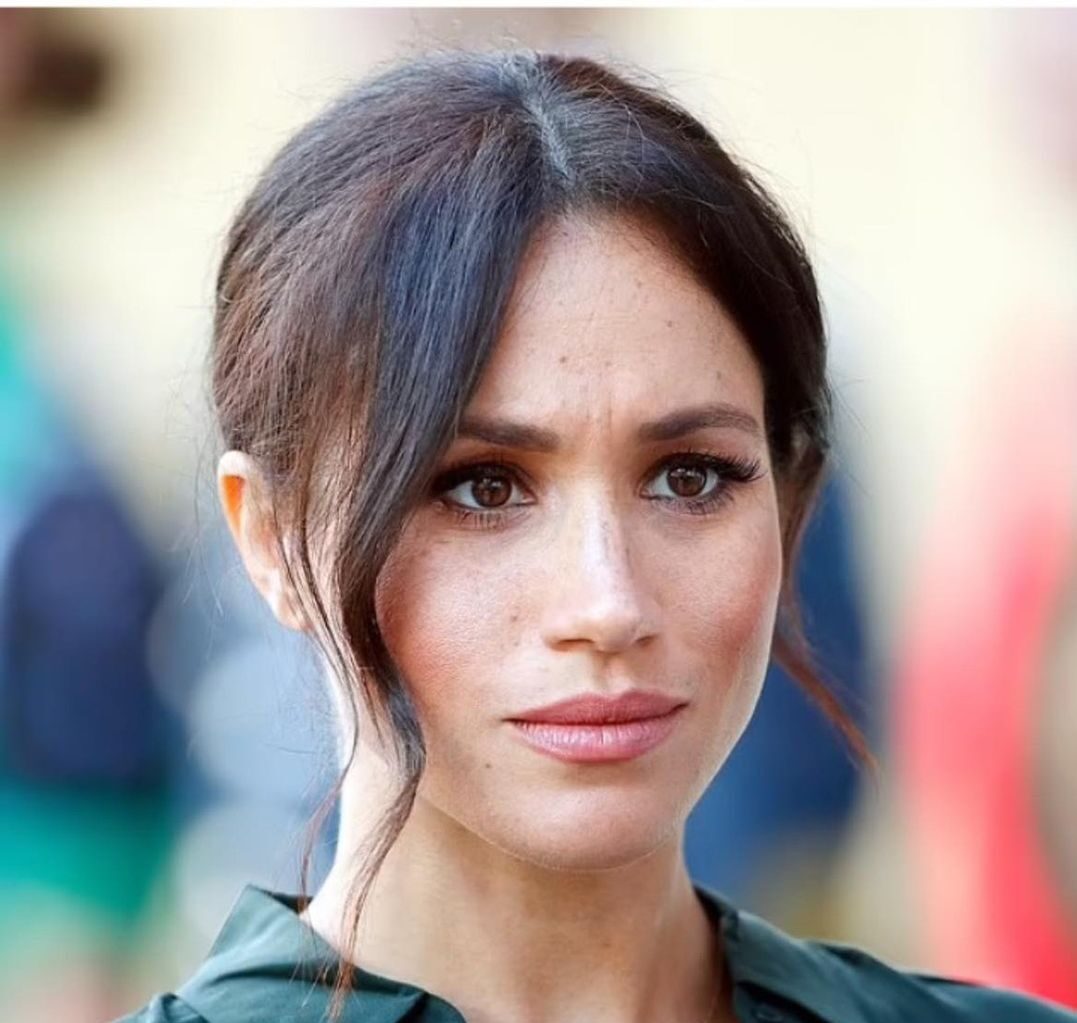
Since stepping back from royal duties in 2020, Meghan Markle and Prince Harry have remained under relentless public attention. Their move toward independence and personal freedom promised a fresh start, but years later, reports continue to spotlight tension and controversy surrounding the couple’s workplace environment.
A new investigation by The Hollywood Reporter has reignited debate, with sources alleging that Meghan has earned the nickname “Duchess Difficult” among staff. Insiders describe her management style as demanding to the point of pushing even experienced professionals to tears. One source called her a “dictator in high heels,” a phrase that has spread rapidly across social media and news outlets.
According to the report, Meghan’s leadership behind the scenes is marked by constant changes, unrealistic expectations, and intense scrutiny, leaving staff perpetually on edge. Prince Harry, while generally described as affable, is depicted as an enabler—someone who doesn’t escalate tensions but also doesn’t intervene when conflicts arise. The result, according to sources, is an environment where accountability is unclear and pressure flows unchecked.
Staff turnover has been a recurring theme in their post-royal life. Since leaving the UK, advisors, assistants, and senior staff have cycled through at an unusually high rate. Meghan’s top adviser departed in 2021, and a chief of staff resigned after just three months. Critics argue these patterns suggest deeper structural issues rather than isolated incidents.
The scrutiny extends back to Meghan’s early royal years. Complaints about her conduct emerged as early as 2018, prompting an internal investigation at Buckingham Palace—an unusual move that highlighted the seriousness of the concerns. Leaked communications from former staff reportedly indicate that Meghan often singled out individuals for criticism, reinforcing perceptions of a challenging leadership style.
Meghan has consistently denied the allegations, framing them as part of a “calculated smear campaign” designed to undermine her credibility. Supporters argue that strong women in public life are often labeled “difficult” when asserting authority, especially in historically hierarchical settings. They maintain that Meghan’s assertiveness has been unfairly scrutinized compared to her male or royal peers.
Yet critics point to the consistency of complaints, the high turnover rate, and the timeline spanning years and multiple workplaces. They argue that the evidence suggests a pattern rather than isolated incidents. Observers note that Meghan’s Hollywood career, where she was celebrated for professionalism and drive, may have fostered an intensity that clashes with the diplomacy and patience required in royal and organizational roles.
The timing of the revelations has added fuel to the fire, surfacing just after Prince Harry’s 40th birthday celebrations—a moment intended to highlight stability and progress. For a couple promoting mental health awareness and compassionate leadership, the reports strike a particularly sharp note.
Whether Meghan deserves the “Duchess Difficult” label remains subjective, but the allegations’ persistence across continents and professional settings ensures the debate will continue. What was once seen as a modern fairy tale of independence now increasingly reads as a cautionary tale about leadership, perception, and the challenges of managing power under public scrutiny.