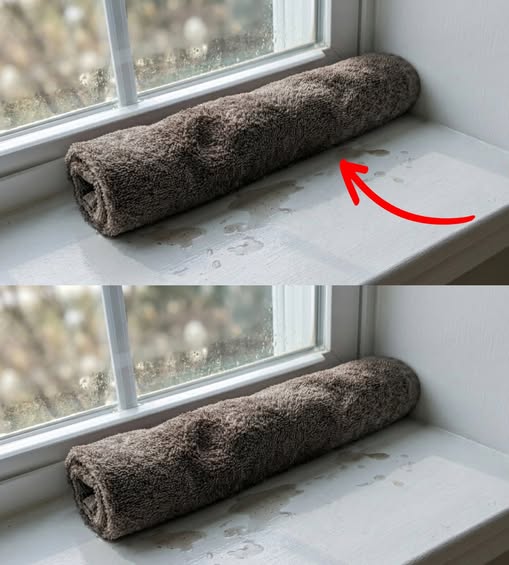
The air enters the room cooler, creating a noticeable drop in perceived temperature. Dry climates amplify this effect, but even in humid areas, it still works. A modest 1–3°C difference can relax muscles, reduce restlessness, and help the body initiate its natural cooling cycle.
Chill Your Head and Neck
Cooling the environment is one thing, but direct body cooling targets the parts of your body most sensitive to heat. The head and neck, with their dense network of blood vessels, are key.
Tips:
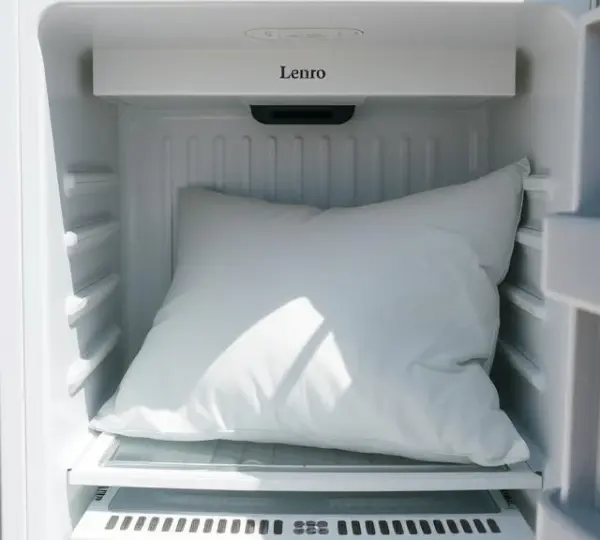
- Place your pillow or pillowcase in the fridge or freezer for a short period before bed.
- Use multiple pillowcases in rotation if needed to maintain cooling throughout the night.
Even brief contact with a cold pillow helps signal the nervous system that it’s safe to relax, promoting faster sleep onset. Blood circulation spreads this cooling effect, lowering core body temperature naturally.
Combine Methods for Maximum Relief
The most effective strategy blends environmental and body cooling:
- Damp towel for airflow and room cooling
- Chilled pillow for direct body relief
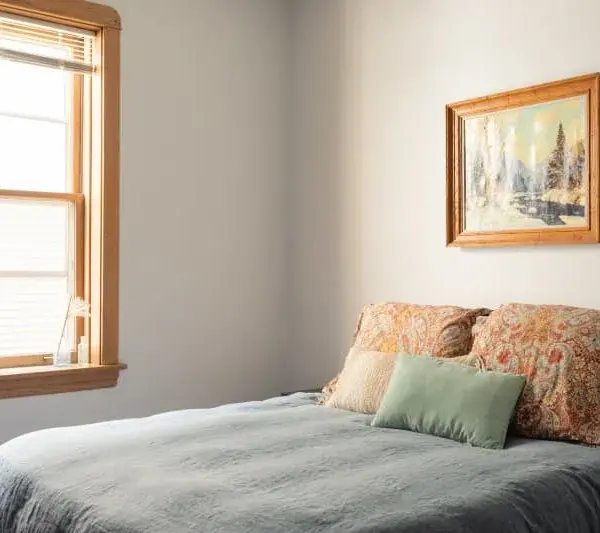
- Lightweight, breathable fabrics like cotton or linen
- Minimal bedding to avoid heat retention
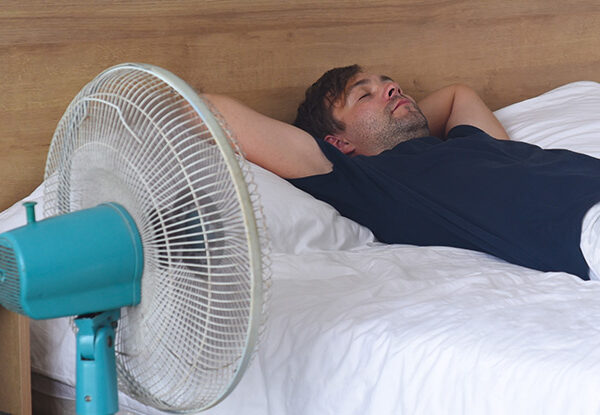
Additional tricks include taking a lukewarm shower before bed, keeping water nearby, and strategically placing fans to circulate cooled air. Bowls of ice in front of a fan can create a mini air-conditioning effect, while ceiling fans boost airflow and sweat evaporation.
Psychological and Sensory Benefits
Hot nights don’t just challenge your body—they stress your mind. Simple, tangible cooling steps provide psychological reassurance, reducing anxiety and restlessness. Feeling proactive about your environment primes the brain for relaxation, and the sensation of cool air or fabric reinforces a calm, safe setting for sleep.
Science Behind the Strategy
These low-tech techniques are grounded in thermodynamics and physiology. Evaporative cooling is a basic scientific principle, while core temperature regulation is critical to sleep. Research shows that even modest reductions in skin or core temperature significantly improve sleep onset and quality. Chilled pillowcases, breathable fabrics, and airflow all align with best practices recommended by sleep experts.
Limitations and Tips
- High humidity can reduce evaporative cooling effectiveness.
- Extremely hot nights may require fans, ice packs, or moving to a cooler room.
- People with medical conditions should monitor temperature changes to avoid discomfort.
While these methods may not replace air conditioning entirely, they provide meaningful relief and restore restful sleep in most hot conditions.
Final Thoughts
Hot nights don’t have to ruin sleep. By understanding your body’s temperature regulation and applying simple cooling hacks, you can create a comfortable, sustainable sleeping environment. Damp towels, chilled pillows, strategic airflow, and breathable fabrics are all energy-efficient, inexpensive ways to beat the heat and reclaim rest.
Even without modern air conditioning, these techniques put control back in your hands—proving that science, creativity, and a little ingenuity can make sweltering nights much more bearable.

Don’t let the heat steal your sleep! Try these tips tonight and share your results—what works best for you? Comment below and join the conversation on beating hot summer nights.