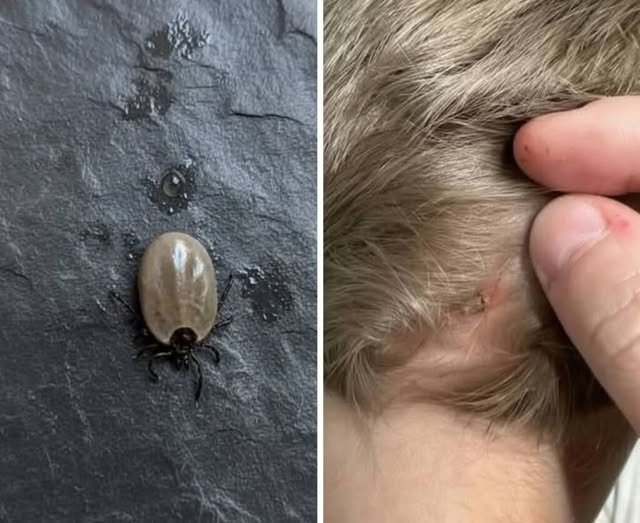
It often starts during a quiet evening—maybe while brushing your child’s hair after a bath or sharing a cozy moment on the couch. Then, out of the corner of your eye, you spot it: a tiny dark speck moving through the strands. Your heart skips a beat, your stomach tightens, and your mind races with questions: “Is it a tick? A louse? Could it be something dangerous?”
In 2026, kids are spending more time outdoors than ever before. From school playgrounds and backyards to hiking trails and weekend getaways, children are in closer contact with nature, increasing the likelihood of encounters with these “hitchhikers.” The panic is understandable—every parent wants immediate answers to protect their child.
Ticks and lice, while small, can cause big concerns. Ticks can carry diseases such as Lyme disease, making prompt identification and safe removal essential. Lice, on the other hand, are more of an irritation than a medical threat, but they spread quickly among children, particularly in schools. Understanding the difference is key to preventing unnecessary worry.
Experts suggest a calm, systematic approach. First, remain composed—your child can pick up on stress, which can make the situation worse. Examine the hair carefully under good lighting. Ticks often appear darker and are attached to the scalp or skin, whereas lice move freely on the strands and lay tiny white eggs (nits) near the scalp. Having a fine-toothed comb on hand can make detection easier.
Continue reading on next page…