4. Where They Come From
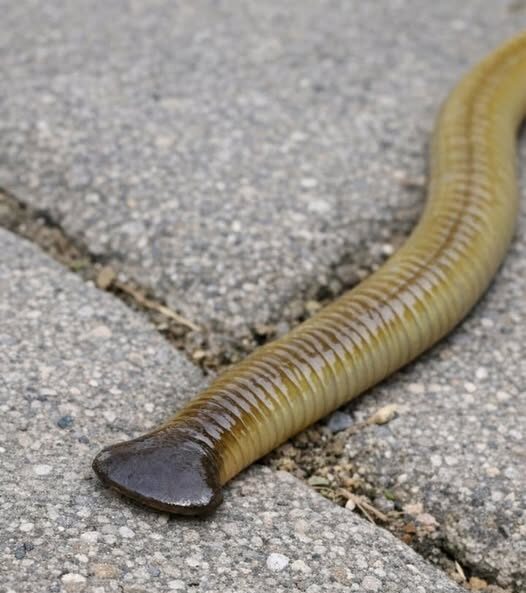
Native to Southeast Asia, hammerhead worms have spread worldwide, often hitching rides in soil with imported plants. Without natural predators, they can establish quickly, reproducing through fragmentation to take over new environments.
5. Are They Dangerous to Humans or Pets?
Not directly. They don’t bite, sting, or spread disease. But their slimy coating contains tetrodotoxin, a mild neurotoxin that can irritate skin. Gloves are recommended if you must handle one.
6. The Real Threat: Earthworms
Hammerhead worms decimate earthworm populations by secreting sticky mucus to immobilize their prey, then using digestive enzymes to consume them. Fewer earthworms mean poorer soil, less aeration, and weaker plants—making these worms a real garden hazard.
7. Safe Removal Tips
Never cut a hammerhead worm—it will only multiply. Instead, sprinkle salt or vinegar directly on the worm to kill it safely, then seal it in a plastic bag for disposal. Always wear gloves to avoid contact with their toxic slime.
8. Preventing Hammerhead Worms
Check new soil or plants before adding them to your garden, keep your garden tidy and dry where possible, and monitor for these worms regularly. Quick action helps prevent infestations from spreading.
9. Why It Matters
While small, hammerhead worms disrupt the balance of local ecosystems by targeting beneficial earthworms. Understanding, spotting, and safely managing them is essential for keeping your garden healthy and productive.
The next time you see a flat, gliding worm with a hammerhead silhouette, you’ll know exactly what you’re dealing with—and how to protect your garden.
Have you spotted a hammerhead worm in your yard? Share your experiences below and let us know how you handled it!