Your nails are not a diagnosis on their own, but they can be a helpful clue.
Vertical Nail Ridges Are Usually Common
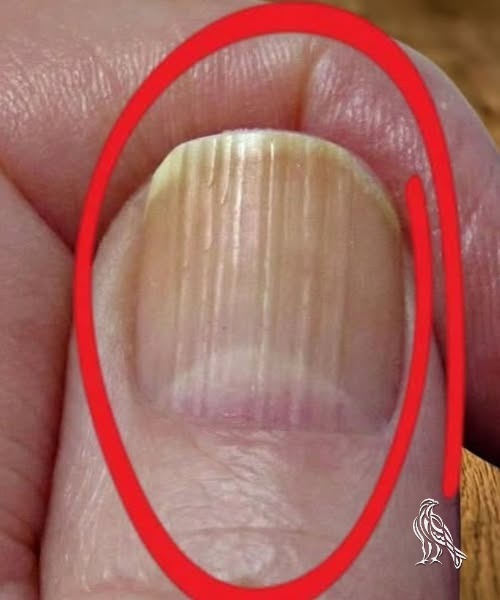
Vertical ridges are among the most common nail changes. These are thin raised lines that run from the base of the nail near the cuticle down toward the tip.
For many people, they become more noticeable with age. As nail growth slows over time, the nail surface may become less smooth, making these lines easier to see.
Dry hands, dehydration, frequent handwashing, harsh soaps, and exposure to cleaning chemicals can also make vertical ridges more visible.
In some cases, low levels of certain nutrients such as iron, zinc, protein, or biotin may also play a role. Still, vertical ridges alone are usually not a reason to panic.
They are often more like wrinkles on the nails — common, gradual, and usually harmless.
Horizontal Grooves May Need More Attention
Horizontal lines or grooves across the nail can be more concerning than vertical ridges.
These grooves are often called Beau’s lines. They can happen when nail growth is temporarily interrupted. This may occur after a major illness, high fever, surgery, strong emotional stress, or a period of poor nutrition.
Because nails grow slowly, the groove may show up weeks after the actual health disruption happened.
Sometimes, horizontal grooves may also be linked with conditions that affect circulation, blood sugar, or hormone balance. This is why deep grooves across several nails should not be brushed off too quickly.
A single mark may be harmless, especially after an injury. But repeated or sudden horizontal grooves are worth discussing with a healthcare professional.
White Spots Are Often Harmless
White spots or small white streaks on nails are very common.
Most of the time, they are caused by minor trauma to the nail. You may bump your nail, press it too hard, or damage it slightly without even remembering it.
These white marks usually grow out naturally as the nail grows.
However, if white streaks appear across many nails, keep coming back, or cover a large area, they may sometimes be connected to low levels of zinc, protein, or other nutrients.
In most cases, though, a small white spot is not a serious warning sign. It is usually just the nail recovering from a tiny injury.
Dark Nail Streaks Should Not Be Ignored
Dark vertical streaks under the nail deserve more caution.
Some dark lines are harmless, especially in people with more natural pigment in their skin. They can be caused by increased pigment production, minor trauma, or certain medications.
But a new dark streak, especially one that appears suddenly, grows wider, has uneven borders, or spreads onto the skin around the nail, should be checked by a doctor.
In rare cases, dark nail streaks can be linked to a serious type of skin cancer that develops under the nail.
This does not mean every dark line is dangerous. But it does mean new or changing dark discoloration should not be ignored.
Brittle Nails Can Reflect More Than Dryness
Brittle nails are often blamed on dry weather, nail polish remover, or too much handwashing. And yes, those things can definitely weaken nails.
But when brittle nails appear together with other symptoms, they may point to something deeper.
For example, nails that split, crack, or grow slowly — especially when combined with tiredness, hair thinning, feeling cold often, or unexplained weight changes — may sometimes be linked to thyroid or hormonal issues.
An underactive thyroid can affect nail strength, skin texture, energy levels, and hair growth.
Again, brittle nails alone do not confirm a health condition. But when several symptoms appear together, it is smart to pay attention.
When Nail Changes May Be a Warning Sign
Not every nail change needs medical attention. But certain signs should be taken seriously, especially if they appear suddenly or keep getting worse.
You should consider getting checked if you notice:
- A dark streak that is new, widening, or changing
- Nail color spreading onto the surrounding skin
- Deep horizontal grooves across several nails
- Nails lifting away from the nail bed
- Sudden thickening, crumbling, or discoloration
- Nail changes with fatigue, weight changes, hair loss, or feeling unusually cold
- Pain, swelling, bleeding, or infection around the nail
These symptoms do not always mean something serious is wrong, but they are worth evaluating.
Simple Habits That Support Healthier Nails
Strong nails usually come from consistent care, not quick fixes.
Moisturizing your hands and nails daily can help reduce dryness and splitting. Wearing gloves while cleaning or washing dishes can protect nails from harsh chemicals. Drinking enough water and eating enough protein also supports nail growth.
A balanced diet with iron, zinc, vitamin B12, and healthy fats may also help keep nails stronger over time.
It is also better to avoid aggressive filing, biting nails, cutting cuticles too deeply, or using harsh nail products too often.
Your nails grow slowly, so improvement takes time. Small daily habits matter more than overnight solutions.
The Bottom Line
Most nail ridges, streaks, and spots are harmless. Many are caused by aging, dryness, small injuries, or daily wear and tear.
But some nail changes can be early clues that your body needs attention. Sudden changes, dark streaks, deep grooves, or nail problems that appear with other symptoms should not be ignored.
Your nails are not just cosmetic. Sometimes, they can quietly reflect what is happening inside your body.
Have you ever noticed unusual changes in your nails? Share your experience in the comments and keep reading for more simple health tips that may help you spot early warning signs.