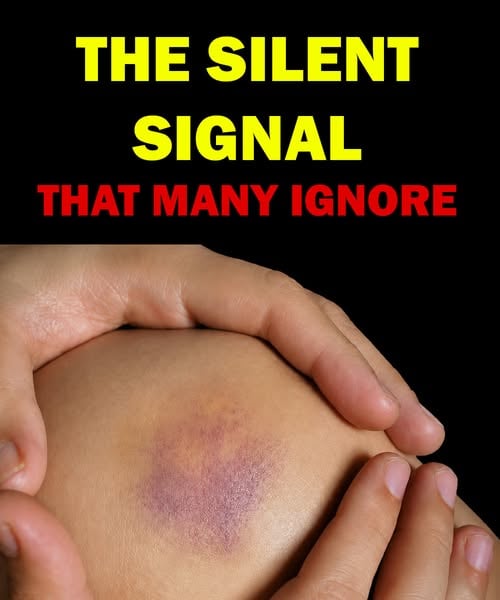
With leukemia, the body produces abnormal white blood cells that multiply too quickly. Over time, these abnormal cells can crowd out healthy blood cells. This may weaken the immune system, reduce oxygen delivery, and make bleeding or bruising more likely.
Because these changes happen inside the body, the first symptoms may seem mild or unrelated.
Common Warning Signs to Watch For
One of the most common early signs is ongoing fatigue. This is not normal tiredness after a busy day. It may feel like constant exhaustion that does not improve with rest.
Other symptoms may include:
Persistent weakness
Frequent infections
Recurring fevers
Unexplained bruising
Bleeding gums
Nosebleeds
Night sweats
Unexplained weight loss
Tiny red or purple spots on the skin
Shortness of breath
Pale skin
These symptoms do not always mean leukemia. Many common conditions can cause similar signs. But when symptoms are unusual, repeated, or do not go away, medical advice matters.
Why People Often Miss the Early Signs
Leukemia symptoms can be easy to explain away.
Fatigue may be blamed on stress. Bruising may be blamed on bumping into things. Frequent colds may seem like a weak season for immunity.
That delay can be risky. The longer unusual symptoms are ignored, the longer the real cause may go undetected.
A simple medical checkup and blood test can often give doctors important clues about what is happening.
Why Early Medical Attention Matters
Early diagnosis can make a major difference.
Doctors can use blood tests, physical exams, and additional medical testing to check for abnormal blood cell levels. If something serious is found, treatment can begin sooner.
Getting checked does not mean assuming the worst. It means getting answers.
Sometimes the cause may be something simple, like low iron, vitamin deficiency, infection, or another treatable issue. But persistent symptoms deserve proper attention.
Who Can Be Affected?
Leukemia can affect people of different ages and backgrounds. It is not contagious, and many people diagnosed with it had no obvious warning beforehand.
Some types develop quickly, while others progress more slowly. Because the disease can behave differently from person to person, recognizing unusual patterns in the body is important.
Treatment Has Improved Over Time
A leukemia diagnosis can feel frightening, but treatment options have improved significantly.
Depending on the type and stage, doctors may recommend chemotherapy, targeted therapy, immunotherapy, stem cell transplant, or other specialized care.
Many patients today have better outcomes than in the past because of earlier detection, improved testing, and more advanced treatment plans.
Final Thoughts
Leukemia can start with symptoms that seem small — tiredness, bruising, infections, bleeding, or night sweats. These signs do not always point to cancer, but they should not be dismissed when they persist or feel unusual.
Listening to the body is not overreacting. It is how serious health problems can be found earlier.
Have you or someone close to you ever ignored symptoms that later turned out to matter? Share your thoughts in the comments — your experience may encourage someone else to get checked sooner.